
No reviews yet
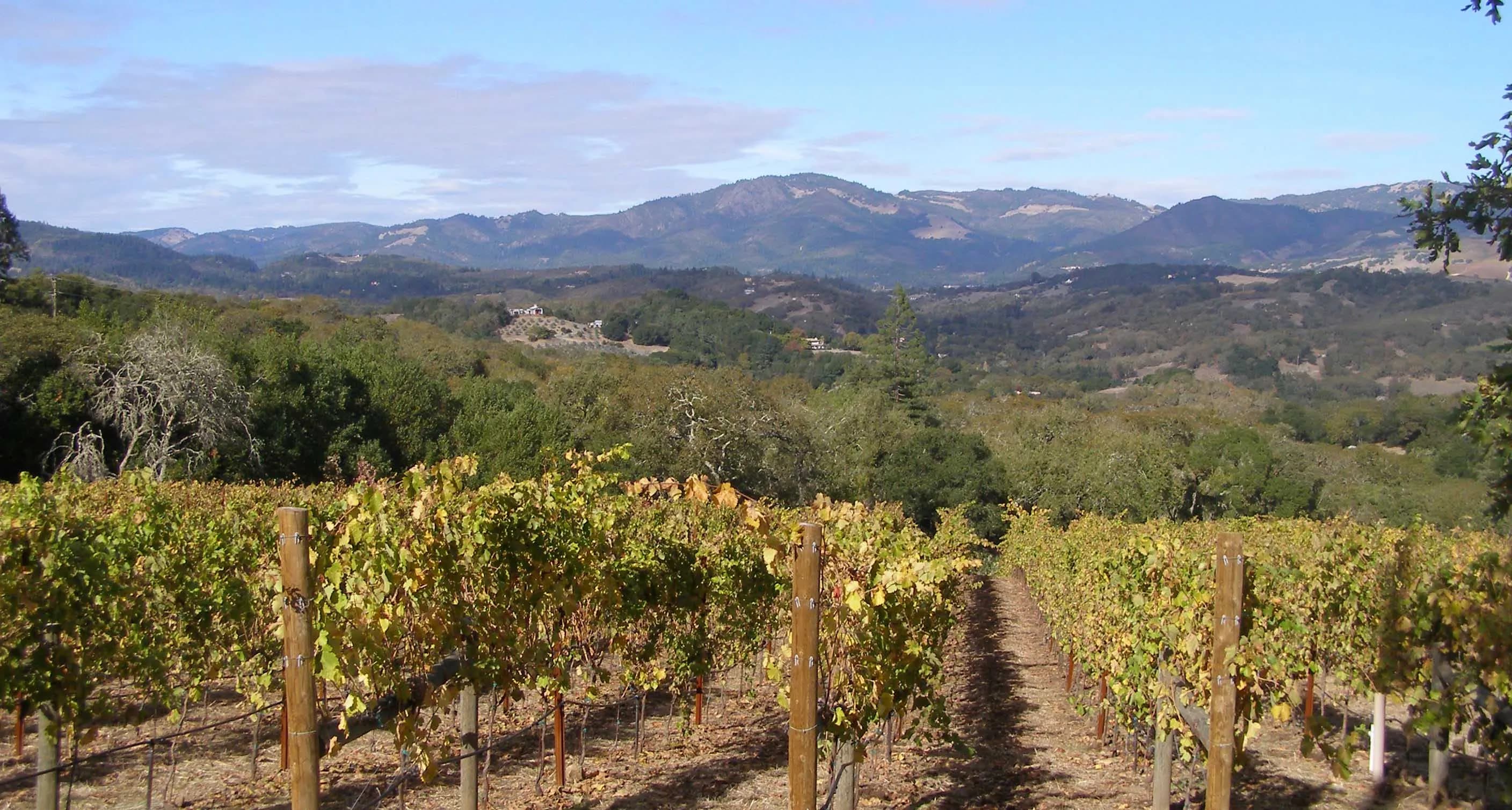
Photo: w:en:User:Anlace (CC BY-SA 3.0) via Wikimedia Commons
Sonoma County, CA Contractor directory
19 verified excavating and site work contractors serving Sonoma County.
County excavation guide
Use this local research to understand soil, seasonal constraints, permits, and jobsite logistics before choosing a contractor.
Skip to 19 contractorsGround conditions across the Piedmont are defined by highly weathered residual red clays (Cecil and Pacolet series) overlying decomposed crystalline bedrock, commonly termed saprolite. Surface clays exhibit moderate to high plasticity and significant shrink-swell behavior; when wet, subgrade compaction requires strict moisture control and aeration to avoid pumping under heavy wheel traffic. Beneath the upper 2 to 6 feet of plastic clay, excavation transitions into structurally intact but chemically decomposed saprolite. While saprolite digs easily with standard 20-to-30 ton excavators, unweathered granite or gneiss core stones ("boulder balls") and erratic rock pinnacles are frequent surprises. Utility trenches and basement cuts that encounter these unweathered ledges require hydraulic breakers or pre-split ripping. Perched water tables frequently form along the clay-saprolite boundary during winter and spring, demanding site ditching and positive surface drainage before pad proof-rolling.
High likelihood of bedrock refusal; hammer / ripper required for deep utilities.
Low volumetric expansion risk in native subgrade.
Shallow water table; active dewatering or sumps needed for deep trenching.
Indicates poor natural drainage and potential jurisdictional wetland pockets.
Mountain/hilly terrain; terracing, benching, and tracked haulers frequent.
High rate of conventional drainfield limitations; engineered or drip systems often required.
Administers NPDES stormwater discharge coverage for land-disturbing construction activities.
Jurisdiction over septic tank permits, soil evaluation perk tests, and drainfield sizing.
Mandatory notice window: 48 hours prior to mechanized earthwork (excluding weekends and legal holidays).
Building code minimum depth for footing frost protection.
Typical days with sub-freezing soil conditions affecting digging.
Peak precipitation window requiring sediment traps and soil aeration.
Nearest active quarry: 10.5 miles haul distance.(23 active crushed stone/sand operations within 50 miles).
0.8% of county underlain by soluble carbonate rock formations.
Yes. You should contact USANorth / California 811 at least 2 working days before any digging so underground lines can be marked.
In California, footings typically need to extend below the frost line, which is around 18 inches here. A local contractor will confirm the code requirement for your site.
Verified local listings
19 verified listings
No reviews yet




demolition, driveways, erosion control, excavation, foundations, grading

No reviews yet

No reviews yet
No reviews yet

erosion control, excavation, foundations, grading, paving prep, site prep
30 years in business
No reviews yet
No reviews yet
No reviews yet
No reviews yet