

No reviews yet
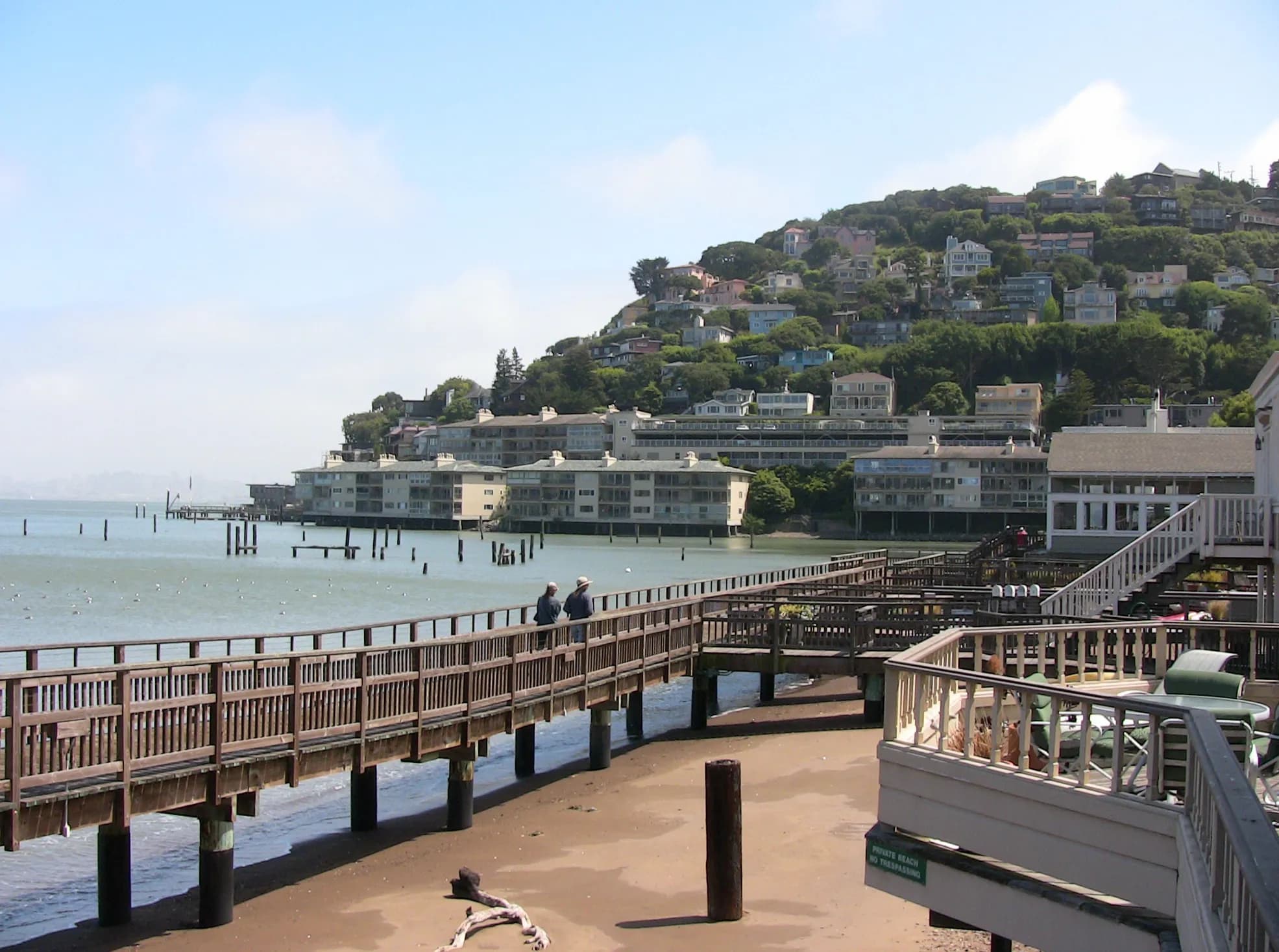
Photo: Frank Schulenburg (CC BY-SA 3.0) via Wikimedia Commons
Marin County, CA Contractor directory
8 verified excavating and site work contractors serving Marin County.
County excavation guide
Use this local research to understand soil, seasonal constraints, permits, and jobsite logistics before choosing a contractor.
Skip to 8 contractorsSierra Nevada excavation country is defined by a steep, dissected upland mantle of decomposed granitic saprolite and, on its northern volcanic slopes, mudflow and ash-flow caprock over the batholith. Saprolite rips easily with a toothed bucket until it unaccountably stiffens into fresh granodiorite corestones and exfoliation slabs, bidders price per ripper-hour and per blasting line-item, not per yard. Slopes commonly exceed 30 percent, cutting temporary bench stability and hauling cycle times; winter storm runoff concentrates in every swale, so cut-and-fill grading needs energy-dissipating outlets and seasonal BMP maintenance. High stony percentages (40-80 percent) are normal on the volcanic caps and glacial outwash, punishing trencher chains and demanding rock-overhang protocols on utility trenches. Septic absorption fails on shallow-to-bedrock and dense claypan interfluves, pushing systems to upslope benches. Wildfire fuel management (defensible-space clearing) and Tahoe/forest-service disturbance rules complicate clearing permits; survey staking must respect historic mine workings on the Mother Lode. Water-table excavation issues are minor except in meadow edges and mountain-valley stream terraces.
High likelihood of bedrock refusal; hammer / ripper required for deep utilities.
Low volumetric expansion risk in native subgrade.
Shallow water table; active dewatering or sumps needed for deep trenching.
Indicates poor natural drainage and potential jurisdictional wetland pockets.
Mountain/hilly terrain; terracing, benching, and tracked haulers frequent.
High rate of conventional drainfield limitations; engineered or drip systems often required.
Administers NPDES stormwater discharge coverage for land-disturbing construction activities.
Jurisdiction over septic tank permits, soil evaluation perk tests, and drainfield sizing.
Mandatory notice window: 48 hours prior to mechanized earthwork (excluding weekends and legal holidays).
Building code minimum depth for footing frost protection.
Typical days with sub-freezing soil conditions affecting digging.
Peak precipitation window requiring sediment traps and soil aeration.
Nearest active quarry: 5.2 miles haul distance.(29 active crushed stone/sand operations within 50 miles).
0.0% of county underlain by soluble carbonate rock formations.
Yes. You should contact USANorth / California 811 at least 2 working days before any digging so underground lines can be marked.
In California, footings typically need to extend below the frost line, which is around 18 inches here. A local contractor will confirm the code requirement for your site.
Verified local listings
8 verified listings
No reviews yet



No reviews yet
No reviews yet
No reviews yet