

Tycon Inc.
Oakley, UTSummit County
demolition, erosion control, excavation, grading, land clearing, pond water management
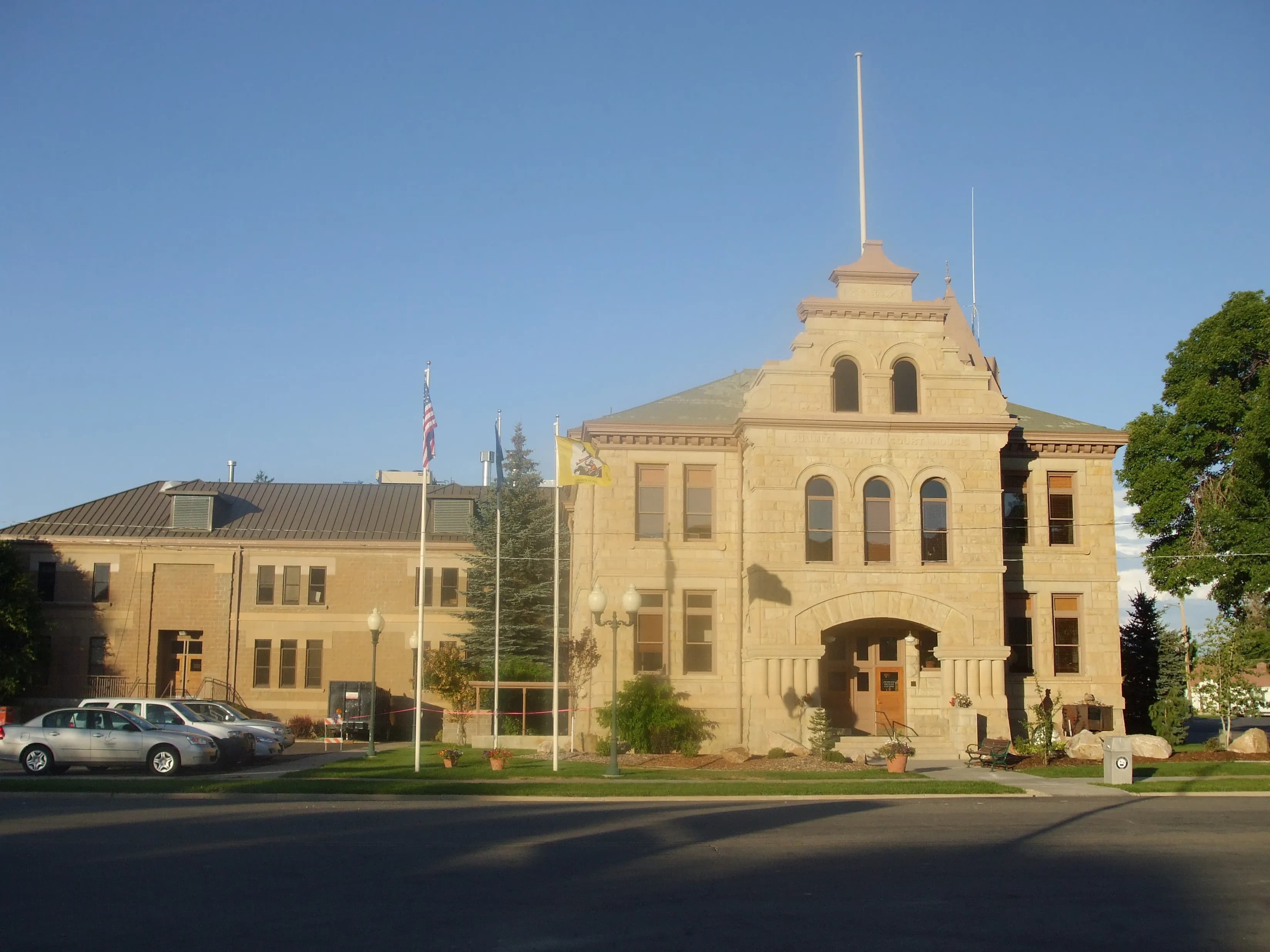
Photo: Tricia Simpson (CC BY-SA 3.0) via Wikimedia Commons
Summit County, UT Contractor directory
15 verified excavating and site work contractors serving Summit County.
County excavation guide
Use this local research to understand soil, seasonal constraints, permits, and jobsite logistics before choosing a contractor.
Skip to 15 contractorsUtah's Wasatch Front and intermontane valleys pack the state's densest excavation work onto Lake Bonneville's old lakebed and the alluvial fans that spill off its ranges. The surface is the workhorse: silt loams, loams, and silty clay loams over moderately deep to deep lacustrine and fan deposits, with median restrictive layers from about 17 to 52 inches. Machine operators are rarely stopped by rock here, the challenge is water and clays instead. Fine-grained lacustrine silt and clay swell when wet, rut under equipment, and turn trench bottoms into a slick slurry after storms, so seasonal scheduling and dewatering drive productivity on the benchlands between Salt Lake City and Provo. Along the mountain fronts, colluvial fans thicken with boulders at the toes, and steeper valley sides climb past 15 percent slope, demanding benched excavations and slope-stability care rather than deep machine cuts. High-desert frost depths run to 30 inches and freeze-thaw cycles shut down wet-season pad work; snowmelt delivers spring trench flooding in the foothill channels. Aggregate and borrow are abundant from the fans and pit gravels ringing every metro. Groundwater is typically a few feet down in the valley lows, so trench bracing and sump-pumping are standard, and utility crews budget for wet, sticky subgrade over buried lake deposits.
Moderate rock encounters along ridges and upper slope shoulders.
Low volumetric expansion risk in native subgrade.
Shallow water table; active dewatering or sumps needed for deep trenching.
Indicates poor natural drainage and potential jurisdictional wetland pockets.
Mountain/hilly terrain; terracing, benching, and tracked haulers frequent.
High rate of conventional drainfield limitations; engineered or drip systems often required.
Administers NPDES stormwater discharge coverage for land-disturbing construction activities.
Jurisdiction over septic tank permits, soil evaluation perk tests, and drainfield sizing.
Mandatory notice window: 48 hours prior to mechanized earthwork (excluding weekends and legal holidays).
Building code minimum depth for footing frost protection.
Typical days with sub-freezing soil conditions affecting digging.
Peak precipitation window requiring sediment traps and soil aeration.
Nearest active quarry: 7.8 miles haul distance.(41 active crushed stone/sand operations within 50 miles).
14.3% of county underlain by soluble carbonate rock formations.
Yes. You should contact Utah 811 at least 2 working days before any digging so underground lines can be marked.
In Utah, footings typically need to extend below the frost line, which is around 36 inches here. A local contractor will confirm the code requirement for your site.
Verified local listings
15 verified listings
Oakley, UTSummit County
demolition, erosion control, excavation, grading, land clearing, pond water management



Wanship, UTSummit County
demolition, excavation, grading, site prep, trenching underground


No reviews yet
No reviews yet
No reviews yet
No reviews yet