

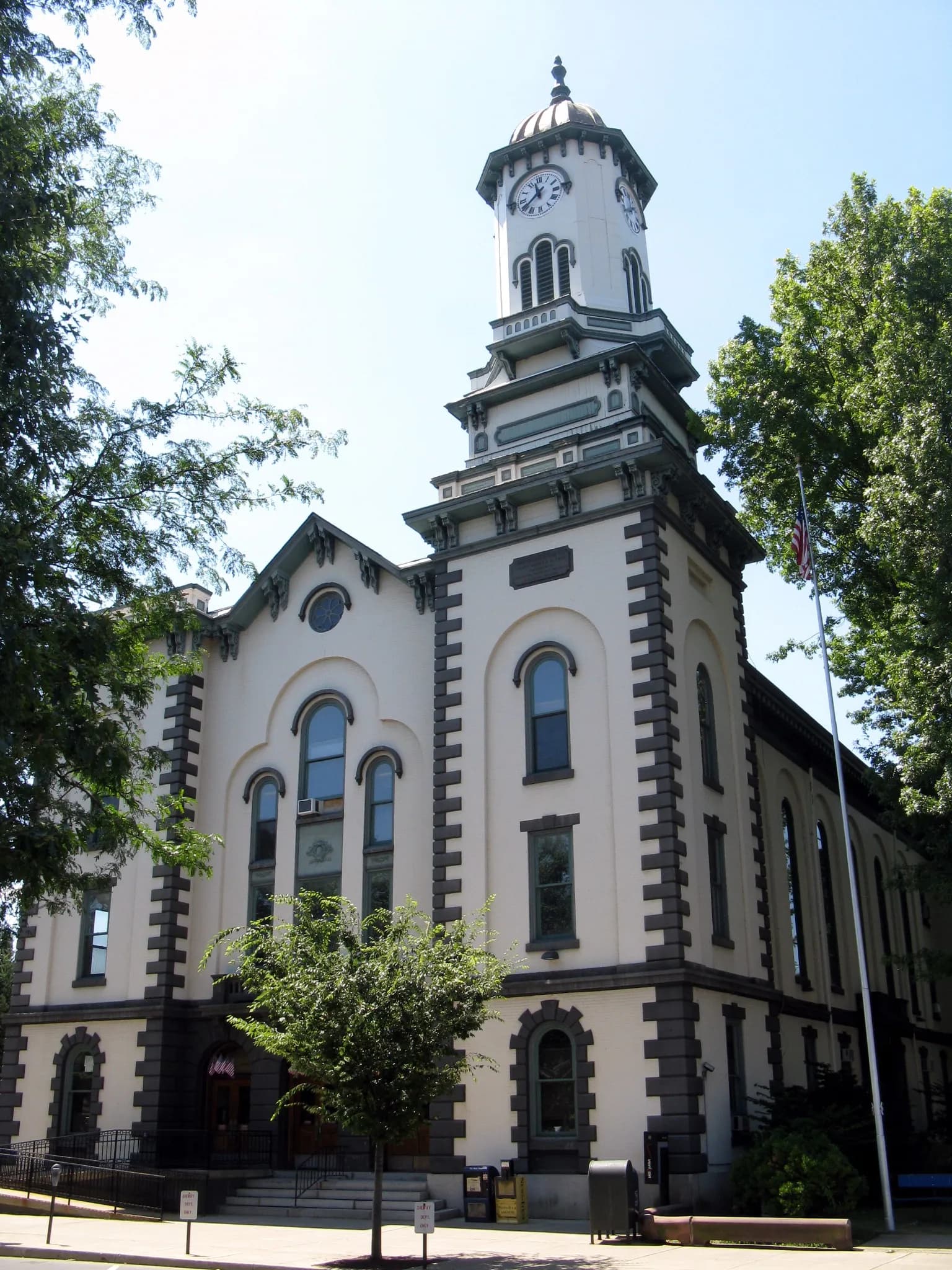
Photo: Publichall (CC BY-SA 3.0) via Wikimedia Commons
Northumberland County, PA Contractor directory
Excavation contractors in Northumberland County, PA
9 verified excavating and site work contractors serving Northumberland County.
County excavation guide
Ground conditions and project requirements in Northumberland County
Use this local research to understand soil, seasonal constraints, permits, and jobsite logistics before choosing a contractor.
Skip to 9 contractorsSoil Regime ProfileEPA Ecoregion 67, 64 (Ridge and Valley, Northern Allegheny Plateau)
Pennsylvania Ridge-and-Valley & Appalachian Hill Country
Dominant Soil Order: Inceptisols / Alfisols
Parent Material: Folded Sandstone, Shale and Carbonate Bedrock with Thin Colluvial Silt Loam and Glacial Till in Northern Counties
Pennsylvania is slope country from end to end: the average county carries slopes over 15 percent on more than a third of its land, and the ridge-and-valley belt (Tioga, Clinton, Lycoming, Centre, Huntingdon, Bedford, Fulton, Mifflin, Juniata, Perry, Schuylkill, Carbon) pushes that past half. Sites are narrow, access drives are bench-cut into hillsides, and every septic trench follows contour. Soils are thin silt loams over folded sandstone, shale, and carbonate: diggable in the upper foot, but bedrock within 50 inches occurs on a quarter to half of most counties, so rock excavation, hydraulic breaking, and blasting are ordinary line items, not surprises. Water is the second constant: perched seep lines above shale, springs that track the bedrock contact, and spoil that needs moisture management before it compacts. Two specifics matter to buyers here. First, karst: in the limestone valleys (Centre, Union, Mifflin, Perry), sinkholes and voids make soil evaluation and stormwater design genuinely site-by-site. Second, shrink-swell is negligible statewide (under 1 percent), so foundation design trades rock and slope for almost no clay risk.
Geographic Footprint:Pennsylvania's Appalachian counties (the ridge-and-valley belt and northern plateau: Potter, Tioga, Bradford, Sullivan, Lycoming, Clinton, Centre, Union, Snyder, Northumberland, Montour, Columbia, Luzerne, Lackawanna, Wyoming, Susquehanna, Bradford, McKean, Elk, Cameron, Forest, Warren, Jefferson, Clearfield, Indiana, Armstrong, Butler, Beaver, Lawrence, Mercer, Venango, Crawford, Erie, Fayette, Greene, Washington, Somerset, Bedford, Fulton, Huntingdon, Mifflin, Juniata, Perry, Cumberland, Dauphin, Schuylkill, Carbon, Monroe, Pike, Wayne, Lackawanna, Blair, Cambria, Lycoming) combine steep ground, thin soils and near-surface rock. Every dig is a slope-and-rock job first; drainage and seep management follow.
Geotechnical Baseline
Physical Ground Conditions & Soil Properties
Shallow Bedrock (<50 in)
30.3%of county land area
Moderate rock encounters along ridges and upper slope shoulders.
High Shrink-Swell Clay
0.0%expansive soil
Low volumetric expansion risk in native subgrade.
Median Water Table Depth
26inches from surface
Moderate depth; seasonal wet perched water tables possible in spring.
Hydric / Wetland Soils
4.6%hydric coverage
Indicates poor natural drainage and potential jurisdictional wetland pockets.
Steep Terrain (Slope >15%)
38.0%of terrain
Mountain/hilly terrain; terracing, benching, and tracked haulers frequent.
Septic Severe Limitations
84.6%severe rate
High rate of conventional drainfield limitations; engineered or drip systems often required.
Dominant Soil Textures:Silt loamSandy loamLoam
Surface Stones / Boulders: 84.2% coverage
Compliance & Permitting
Earthwork Regulations & Permit Thresholds
Stormwater & Erosion Control
NPDES Construction Stormwater: PAG-02 General Permit (or individual permit) under 25 Pa. Code Ch. 102, required for earth disturbance of one acre or more (reissuance of PAG-02 was pending; prior expiry Dec 7 2024)
Administers NPDES stormwater discharge coverage for land-disturbing construction activities.
State Threshold:1.00 Acre
Local Threshold:Follows state
Onsite Wastewater & Utilities
Local Agency (Sewage Enforcement Officer)
Jurisdiction over septic tank permits, soil evaluation perk tests, and drainfield sizing.
Housing on Septic:35.0%
Soil Evaluation:Soil probes and percolation holes (6 or more) before permit; no percolation tests if limiting zone is within 20 in of surface; SEO conducts or observes
811 One-Call Requirements
Pennsylvania One Call System (PA811)
Mandatory notice window: 72 hours prior to mechanized earthwork (excluding weekends and legal holidays).
Licensing & Clearing Permits
Weather & Ecology
Seasonal Constraints & Clearing Windows
Frozen Ground Days
30days / year
Typical days with sub-freezing soil conditions affecting digging.
Supply Chain & Hazards
Logistics, Aggregate Sources & Geohazards
Aggregate & Material Supply
Northumberland Sand Plant
Nearest active quarry: 6.4 miles haul distance.(39 active crushed stone/sand operations within 50 miles).
Flood & Hazard Overlay
FEMA 100-Yr Flood:9.8%(100% NFHL digital map coverage)
NWI Wetlands:7.7%jurisdictional coverage
Karst Terrain & Sinkhole Risk: Low
38.5% of county underlain by soluble carbonate rock formations.
HUC8 Primary Watersheds:Lower West Branch Susquehanna, Lower Susquehanna-Penns, Upper Susquehanna-Lackawanna
Public conservation land: 7.2% (USGS PAD-US).
Area-specific FAQ
Do I need to call before digging in Northumberland County?
Yes. You should contact PA One Call at least 3 working days before any digging so underground lines can be marked.
How deep do footings need to be in Pennsylvania?
In Pennsylvania, footings typically need to extend below the frost line, which is around 36 inches here. A local contractor will confirm the code requirement for your site.
Verified local listings
Excavation contractors serving Northumberland County
9 verified listings

DirtSmith, LLC
Sunbury, PANorthumberland County
demolition, driveways, excavation, foundations, grading, hauling trucking
Appalachian Dirt Works LLC
Trevorton, PANorthumberland County
driveways, excavation, pond water management
No reviews yet