
Allegheny Contracting LLC
Ridgway, PAElk County
excavation, site prep, trenching underground
29 years in business
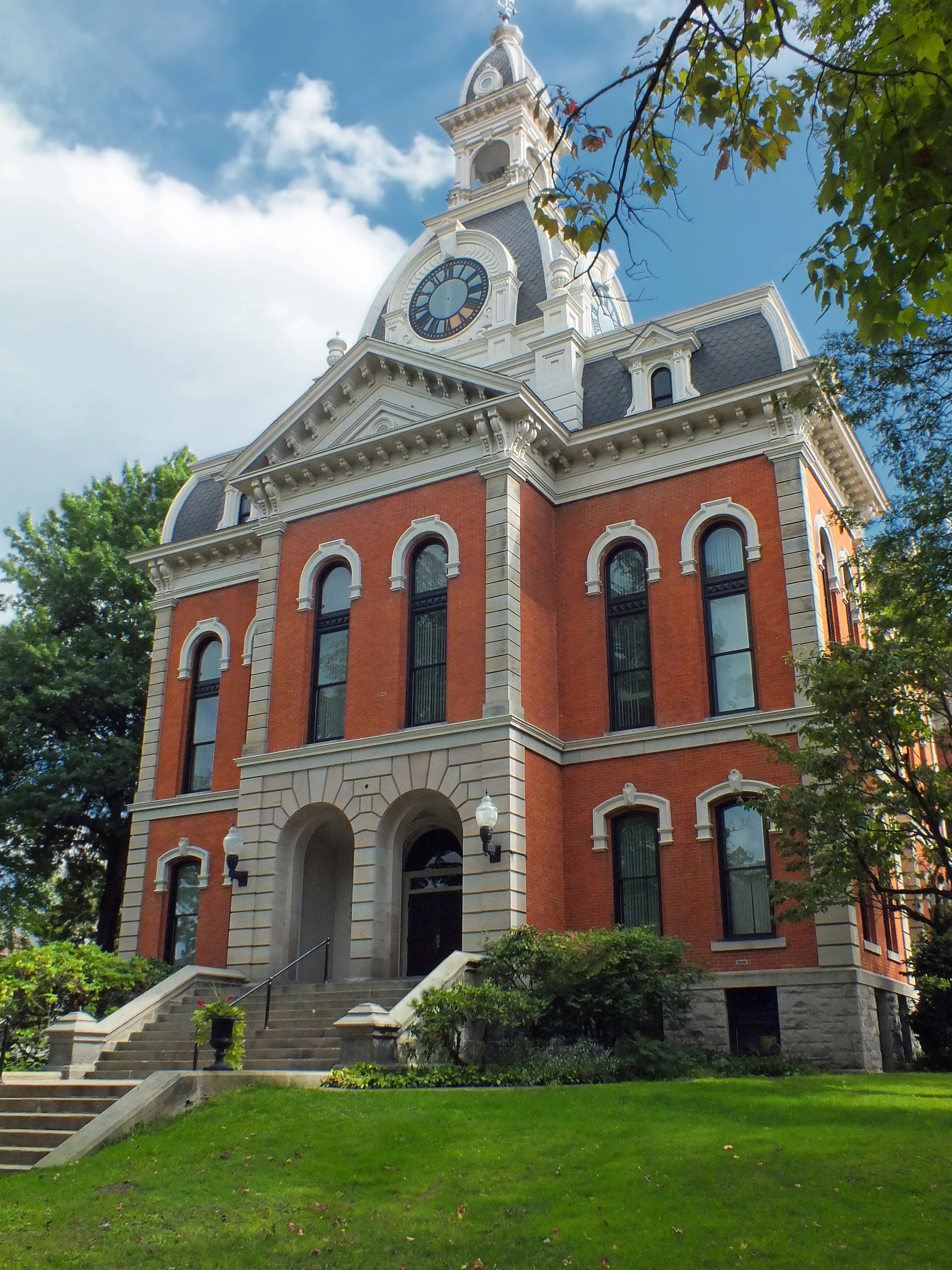
Photo: Nicholas (CC BY 2.0) via Wikimedia Commons
Elk County, PA Contractor directory
16 verified excavating and site work contractors serving Elk County.
County excavation guide
Use this local research to understand soil, seasonal constraints, permits, and jobsite logistics before choosing a contractor.
Skip to 16 contractorsPennsylvania is slope country from end to end: the average county carries slopes over 15 percent on more than a third of its land, and the ridge-and-valley belt (Tioga, Clinton, Lycoming, Centre, Huntingdon, Bedford, Fulton, Mifflin, Juniata, Perry, Schuylkill, Carbon) pushes that past half. Sites are narrow, access drives are bench-cut into hillsides, and every septic trench follows contour. Soils are thin silt loams over folded sandstone, shale, and carbonate: diggable in the upper foot, but bedrock within 50 inches occurs on a quarter to half of most counties, so rock excavation, hydraulic breaking, and blasting are ordinary line items, not surprises. Water is the second constant: perched seep lines above shale, springs that track the bedrock contact, and spoil that needs moisture management before it compacts. Two specifics matter to buyers here. First, karst: in the limestone valleys (Centre, Union, Mifflin, Perry), sinkholes and voids make soil evaluation and stormwater design genuinely site-by-site. Second, shrink-swell is negligible statewide (under 1 percent), so foundation design trades rock and slope for almost no clay risk.
High likelihood of bedrock refusal; hammer / ripper required for deep utilities.
Low volumetric expansion risk in native subgrade.
Shallow water table; active dewatering or sumps needed for deep trenching.
Indicates poor natural drainage and potential jurisdictional wetland pockets.
Mountain/hilly terrain; terracing, benching, and tracked haulers frequent.
High rate of conventional drainfield limitations; engineered or drip systems often required.
Administers NPDES stormwater discharge coverage for land-disturbing construction activities.
Jurisdiction over septic tank permits, soil evaluation perk tests, and drainfield sizing.
Mandatory notice window: 72 hours prior to mechanized earthwork (excluding weekends and legal holidays).
Typical days with sub-freezing soil conditions affecting digging.
Nearest active quarry: 14.3 miles haul distance.(13 active crushed stone/sand operations within 50 miles).
0.7% of county underlain by soluble carbonate rock formations.
Yes. You should contact PA One Call at least 3 working days before any digging so underground lines can be marked.
In Pennsylvania, footings typically need to extend below the frost line, which is around 36 inches here. A local contractor will confirm the code requirement for your site.
Verified local listings
16 verified listings
Ridgway, PAElk County
excavation, site prep, trenching underground
29 years in business

St Marys, PAElk County
demolition, erosion control, excavation, foundations, grading, land clearing
15 years in business
No reviews yet
No reviews yet
No reviews yet
No reviews yet
No reviews yet