

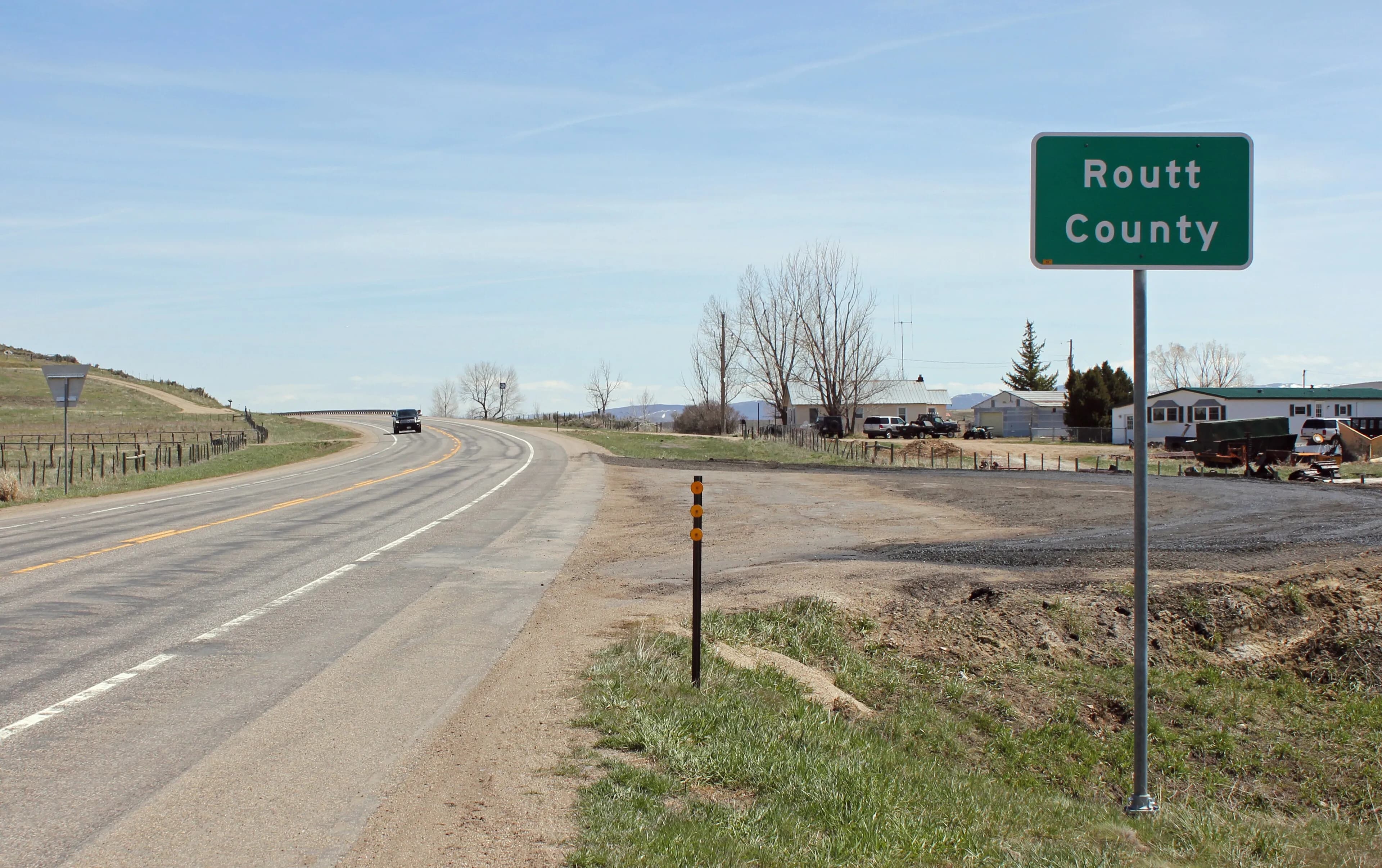
Routt County, CO Contractor directory
Excavation contractors in Routt County, CO
15 verified excavating and site work contractors serving Routt County.
County excavation guide
Ground conditions and project requirements in Routt County
Use this local research to understand soil, seasonal constraints, permits, and jobsite logistics before choosing a contractor.
Skip to 15 contractorsSoil Regime ProfileEPA Ecoregion 21, 20, 19 (Southern Rockies, Colorado Plateaus margins, Wasatch and Uinta Mountains)
Colorado Rockies Granitic Mountain Slopes & Park Valleys
Dominant Soil Order: Inceptisols / Mollisols / Alfisols
Parent Material: Granitic and Gneissic Colluvium, Glacial Till, Volcanic and Sedimentary Debris on Steep Mountain Slopes; Alluvial Valley Fill
Colorado's mountain counties are slope country: granitic, gneissic, and volcanic colluvium mantles 30-degree hillsides under a thin forest duff, and nearly half the land surface exceeds 15 percent grade. Excavation is a battle with material and water both, colluvial boulder fields, angular rock ribs, and shallow bedrock demand hammer work on most pads, while glacially carved park valleys (South Park, Middle Park, the San Luis Valley margins) offer the only low-grade building ground, often over deep outwash sand and gravel that rips fast but caves without shoring. Seasonal high water tables sit perched over fractured bedrock in valley bottoms, spring snowmelt swells seeps and cutbanks, and most trench work is limited to a June-September dry window between freeze and monsoon. Rock crushing, blasting, and mass-grading mobilizations are the norm, not the exception; borrow comes from on-site cuts because hauling up canyon roads costs more than breaking rock. Septic fields fail on steep granitic slopes with shallow water tables, driving engineered systems onto the limited flat benches. Access drives and utility trenching climb grades that require cut-and-fill benching with retaining structures, and frost penetration of 30 to 36 inches sets foundation depth statewide.
Geographic Footprint:Mountain resort and park counties: Summit, Eagle, Pitkin, Gunnison, Routt, Grand, Park, Chaffee, Lake, Clear Creek, Gilpin, Teller, San Miguel, Ouray, San Juan, Hinsdale, Mineral, plus western slope valleys and Sangre de Cristo margins
Geotechnical Baseline
Physical Ground Conditions & Soil Properties
Shallow Bedrock (<50 in)
19.2%of county land area
Moderate rock encounters along ridges and upper slope shoulders.
High Shrink-Swell Clay
0.0%expansive soil
Low volumetric expansion risk in native subgrade.
Median Water Table Depth
0inches from surface
Shallow water table; active dewatering or sumps needed for deep trenching.
Hydric / Wetland Soils
6.4%hydric coverage
Indicates poor natural drainage and potential jurisdictional wetland pockets.
Steep Terrain (Slope >15%)
77.7%of terrain
Mountain/hilly terrain; terracing, benching, and tracked haulers frequent.
Septic Severe Limitations
97.8%severe rate
High rate of conventional drainfield limitations; engineered or drip systems often required.
Dominant Soil Textures:LoamSandy loamClay loam
Surface Stones / Boulders: 23.7% coverage
Compliance & Permitting
Earthwork Regulations & Permit Thresholds
Stormwater & Erosion Control
CDPS Construction Stormwater Permit COR100000 (CDPHE Water Quality Control Division; ≥1 acre, or <1 acre part of a common plan of development/sale ≥1 acre)
Administers NPDES stormwater discharge coverage for land-disturbing construction activities.
State Threshold:1.00 Acre
Local Threshold:Follows state
Grading Permit: No separate county grading permit
Onsite Wastewater & Utilities
Routt County Public Health — On-Site Wastewater Treatment System (OWTS) Program
Jurisdiction over septic tank permits, soil evaluation perk tests, and drainfield sizing.
Housing on Septic:55.0%
Soil Evaluation:Site and soil evaluation by CDPHE-certified OWTS Professional per Regulation 43 (soil profile pit, percolation or soil analysis, design flow tables)
811 One-Call Requirements
Colorado 811
Mandatory notice window: 48 hours prior to mechanized earthwork (excluding weekends and legal holidays).
Licensing & Clearing Permits
Contractor License Threshold: Required for earthwork contracts exceeding $0 in Colorado.
Burn Permit Season: Open-burning permit required May 1 through Feb 28 in most counties; Jun-Sep fire bans common in mountain and plains countiesAuthority: CDPHE Air Pollution Control Division open-burning permit (Regulation 7); county fire restrictions/bans via sheriff or fire district
Weather & Ecology
Seasonal Constraints & Clearing Windows
Design Frost Depth
36inches
Building code minimum depth for footing frost protection.
Frozen Ground Days
90days / year
Typical days with sub-freezing soil conditions affecting digging.
Wet Season Months
April
Peak precipitation window requiring sediment traps and soil aeration.
Supply Chain & Hazards
Logistics, Aggregate Sources & Geohazards
Aggregate & Material Supply
Steamboat South Pit (802)
Nearest active quarry: 5.9 miles haul distance.(4 active crushed stone/sand operations within 50 miles).
Flood & Hazard Overlay
FEMA 100-Yr Flood:0.8%(100% NFHL digital map coverage)
NWI Wetlands:8.4%jurisdictional coverage
Karst Terrain & Sinkhole Risk: Low
3.3% of county underlain by soluble carbonate rock formations.
HUC8 Primary Watersheds:Upper White, Little Snake, North Platte Headwaters, Colorado Headwaters, Upper Yampa
Public conservation land: 100.0% (USGS PAD-US).
Area-specific FAQ
Do I need to call before digging in Routt County?
Yes. You should contact Colorado 811 at least 2 working days before any digging so underground lines can be marked.
How deep do footings need to be in Colorado?
In Colorado, footings typically need to extend below the frost line, which is around 36 inches here. A local contractor will confirm the code requirement for your site.
Verified local listings
Excavation contractors serving Routt County
15 verified listings


Antlers Excavating
Steamboat Springs, CORoutt County
driveways, erosion control, excavation, foundations, grading, land clearing

No reviews yet


No reviews yet
No reviews yet
No reviews yet
No reviews yet
No reviews yet