
Trace & Company
Direct contact
No middleman
Established crew
Local contractor
Service area
Mountain Home, NC
About the crew
Trace & Company serves Mountain Home, NC with excavation, site preparation, and related earthwork services. Contact the crew directly to discuss the site, schedule, and project requirements.
Location: 163 Mountain Rd, Mountain Home, NC 28758
Counties served: Henderson County
Talk to the crew
Request a quote
Share the project basics with Trace & Company. Your request goes directly to the contractor.
Fast Quote Form
Services
Excavation
Excavation
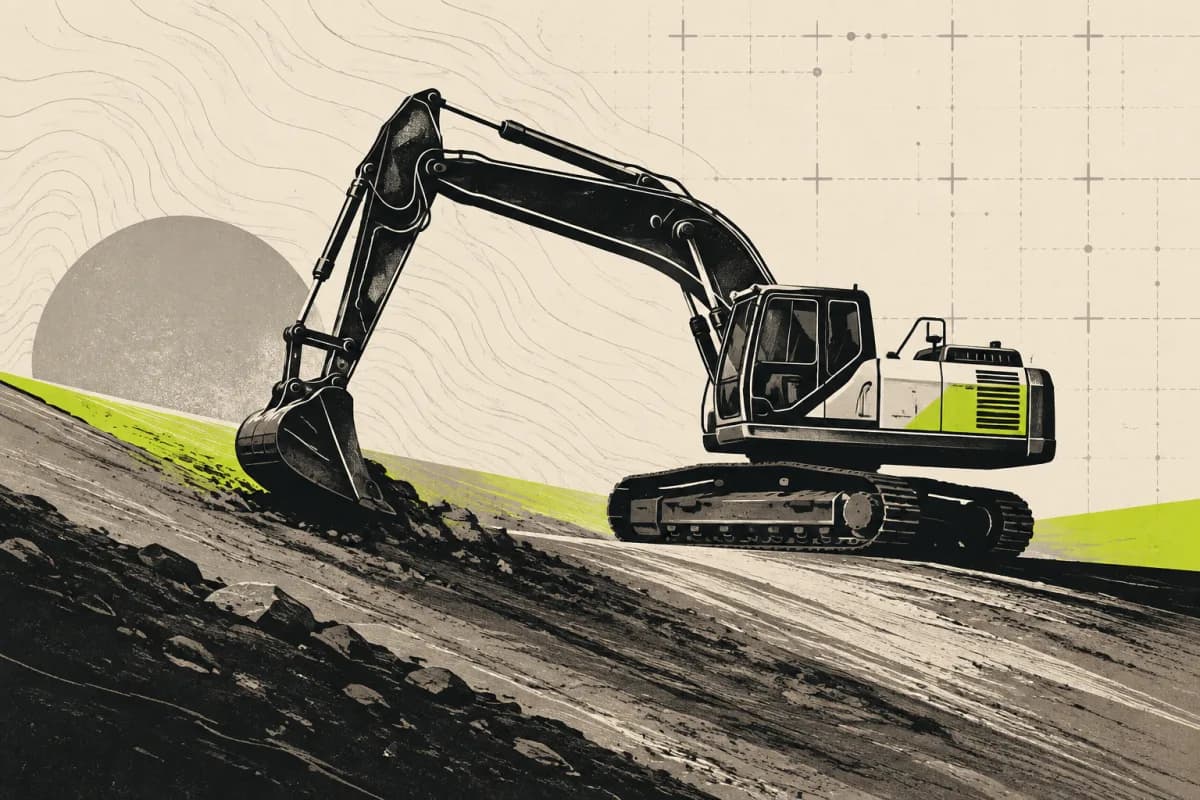
Excavation contractors dig and move earth for foundations, basements, utilities, pools and site cuts. Most residential jobs run on a mini or mid-size excavator paired with a skid steer and a dump truck; larger cuts bring in a dozer or scraper. The price depends less on the size of the hole than on what is in the ground: clay, ledge rock, high groundwater and buried utilities all slow the machine down and change the hauling math. Before the bucket touches dirt the site needs an 811 utility locate, and any trench deeper than five feet needs a protective system under OSHA rules.
General-Excavation
General-Excavation
General excavation contractors handle the range of earthwork that does not fit neatly under one heading, and they are the right call when a property needs several of them at once: a driveway cut, a drainage fix, a pad for a shop, a trench for water to the barn and a pile of stumps hauled off. A typical outfit runs a mid-size excavator, a skid steer or compact track loader, and a dump truck or trailer, and prices by the hour with a minimum or by the job for anything with a defined scope. Because the work is varied, the estimate is only as good as the description of the site, and the most useful thing an owner can do is walk the contractor through everything on the list at once so the machine moves once and mobilization is paid once.
Hauling-Trucking
Hauling-Trucking
Hauling contractors move bulk material to and from job sites: delivering gravel, sand, topsoil and fill, and removing excavated spoil, concrete and demolition debris. Pricing is built around truck size and cycle time. A tandem dump truck carries roughly 10 to 14 cubic yards, a tri-axle 15 to 18, and a belly dump or end dump trailer over 20; the driver's rate covers loading, travel, dumping and any wait time at either end. Distance to the pit or landfill is often the biggest variable, and tipping fees for debris are usually passed through separately. Contractors who also run a loader or excavator can load their own trucks, which matters when nothing on site is available to fill them.
Paving-Prep
Paving-Prep
Paving preparation is the earthwork under asphalt or concrete: cutting the subgrade to plan, undercutting and replacing soft spots, placing and compacting aggregate base in lifts, and proof rolling with a loaded truck to find anything that pumps before the paving crew shows up. Asphalt is only as good as what is under it, and most premature cracking and rutting traces back to a thin or poorly compacted base rather than the mix. Base thickness runs from about four to six inches of crushed stone under a residential driveway to eight to twelve inches or more under a commercial lot or a road, compacted to 95 percent or better of maximum density, with the surface held to within a fraction of an inch of grade so the asphalt lift is uniform. Prep contractors often also handle the curb subgrade, drainage structures and the connection to existing pavement.
Septic-Systems
Septic-Systems
Septic contractors install and replace the tank, distribution box and drain field that treat wastewater on properties without sewer. Nothing goes in the ground until a soil evaluation or percolation test has been done and the county or state health department has approved a system design; the installer builds to that design and the inspector looks at the open trenches before they are covered. Conventional gravel-and-pipe drain fields are the least expensive where soil drains well, but heavy clay, high water tables and small lots push jobs toward chambers, sand mounds, drip dispersal or an aerobic treatment unit, each with a different price and maintenance schedule. Most states license septic installers separately from general contractors, and many require a pumping and inspection record at property sale.
Equipment capabilities
Service area
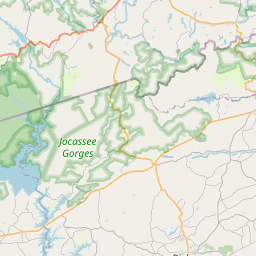
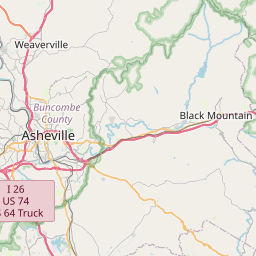
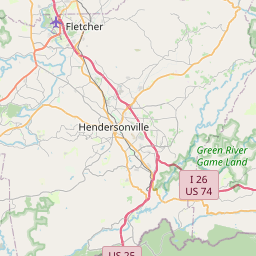
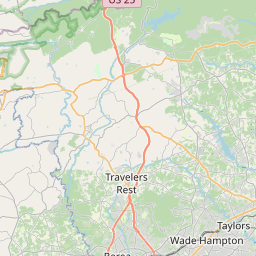
© OpenStreetMap contributors
Is this your business?
Verify the listing, correct details, and add your own project photos.
Similar businesses
Other excavation contractors near you on GradeLine worth comparing.
B&R Rock Inc.
Hendersonville, NC
excavation, general-excavation
3.00View
Miller Brothers
Hendersonville, NC
erosion-control, excavation, general-excavation
NewView
Martin Grading and Excavating LLC
Laurel Park, NC
excavation, general-excavation
5.00View
Dirt Doctors Grading, Clearing, and Excavation
Hendersonville, NC
excavation, general-excavation
5.00View
R & J Grading, LLC
Laurel Park, NC
excavation, general-excavation
2.30View

HD Grading
Laurel Park, NC
demolition, driveways, erosion-control
5.00View
Hendersonville Equipment
Hendersonville, NC
excavation, general-excavation
NewView
Triple M Land Management
Hendersonville, NC
driveways, erosion-control, excavation
5.00View