
TLS Land & Cattle LLC
Is this your business?
Verify your details, add your own photos, and make sure homeowner calls reach you.
Direct contact
No middleman
Established crew
Local contractor
Service area
Dunnellon, FL
About the crew
TLS Land & Cattle LLC serves Dunnellon, FL with excavation, site preparation, and related earthwork services. Contact the crew directly to discuss the site, schedule, and project requirements.
Location: Dunnellon, FL
Counties served: Marion County
Talk to the crew
Request a quote
Share the project basics with TLS Land & Cattle LLC. Your request goes directly to the contractor.
Fast Quote Form
Services
Excavation
Excavation
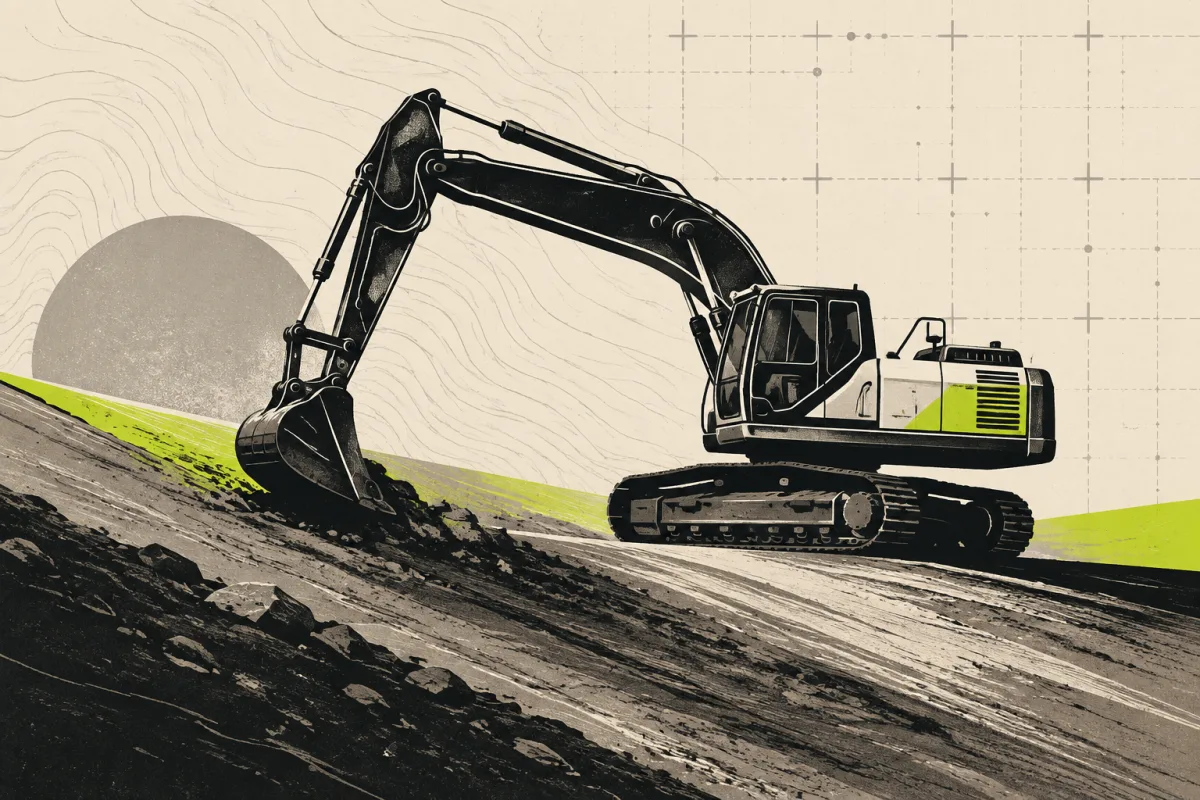
Excavation contractors dig and move earth for foundations, basements, utilities, pools and site cuts. Most residential jobs run on a mini or mid-size excavator paired with a skid steer and a dump truck; larger cuts bring in a dozer or scraper. The price depends less on the size of the hole than on what is in the ground: clay, ledge rock, high groundwater and buried utilities all slow the machine down and change the hauling math. Before the bucket touches dirt the site needs an 811 utility locate, and any trench deeper than five feet needs a protective system under OSHA rules.
Grading
Grading
Grading is the shaping of ground to a designed elevation and slope. Rough grading moves the bulk of the earth to bring a site close to plan; finish grading dials in the last few inches so a pad is level and a yard sheds water. The number that matters is fall: building codes call for the ground to drop at least six inches in the first ten feet away from a foundation, and a lawn or gravel area needs roughly a two percent slope to drain. Crews do this with a dozer, a skid steer with a grading bar, or a motor grader on larger lots, checked against a laser or GPS grade stake rather than by eye.
Land Clearing
Land Clearing
Land clearing removes trees, brush, stumps and roots so a parcel can be built on, farmed, fenced or simply seen. The method drives the price. A forestry mulcher grinds standing brush and small trees into chips in a single pass and leaves the ground surface intact; a dozer with a root rake pushes everything into piles for burning or hauling; an excavator with a thumb pulls stumps and stacks logs. Grubbing, which means pulling stumps and roots, is a separate step from clearing and is required anywhere a foundation, driveway or septic field will go. Selective clearing around trees you want to keep takes more hand work and more time than clearing a lot wall to wall.
Site Prep
Site Prep
Site preparation is the package of work that turns a lot into a place a builder can start. On a typical job that means clearing vegetation, stripping and stockpiling topsoil, cutting or filling to the pad elevation, compacting fill in lifts, cutting in a temporary driveway, and installing the silt fence and gravel entrance the stormwater inspector expects to see. The scope shifts with the ground: a flat suburban infill lot may take two days, while a sloped wooded parcel with poor soil can run weeks and involve undercutting and replacing unsuitable material. Site prep contractors typically coordinate with the surveyor who sets the corners and the geotechnical engineer who signs off on compaction.
Service area


© OpenStreetMap contributors
Answers
Frequently asked
Straight answers from TLS Land & Cattle LLC.
When is the best time of year to clear land in Florida?
When is the best time of year to clear land in Florida?
The dry season, roughly November through May, is the best window. Central Florida gets most of its rain between June and October. Firm ground lets heavy equipment work efficiently without cutting deep ruts or compacting your soil, and it keeps a summer thunderstorm from washing your topsoil off a freshly cleared lot. We work year round, and wet season projects are usually fine on high, well-drained ground. But if your property sits low or holds water after a hard rain, scheduling in the dry season gives you a cleaner finish and fewer weather delays. Book early either way, because the dry season fills up quickly ahead of spring builds.
Do I need a permit to clear land or remove trees in Marion or Citrus County?
Do I need a permit to clear land or remove trees in Marion or Citrus County?
Usually yes, and the rules differ by county. Marion County requires a tree removal permit for any tree 10 inches or larger in diameter at breast height (DBH), and that permit must be in hand before site clearing, grading, or any work that needs a building permit. Citrus County protects trees 4 inches DBH and larger, so the threshold there is much lower. Both counties exempt certain bona fide agricultural uses on agriculturally zoned land. Marion County also requires native tree replacement or a payment into its tree mitigation fund. We will tell you what your lot is likely to need during the free consultation, and we recommend confirming the final requirements with your county growth management office before work begins.
How long does it take to clear an acre of land?
How long does it take to clear an acre of land?
Most quarter-acre to half-acre residential lots clear in one to two days. Moderately overgrown land typically runs about four to eight hours per acre. Multi-acre parcels with heavy timber, large stumps, or soft wet ground can take three to five days or longer. Access matters too, since a lot with a narrow entrance, a ditch, or overhead lines takes more time than an open field. We give you a realistic day count with your estimate and keep you updated if conditions on the ground change.
What happens to the trees, brush, and stumps you remove?
What happens to the trees, brush, and stumps you remove?
That is your call, and we price each option. We can process the material on site so it stays on your property, pile it in one location if your county allows burning, or haul it away entirely. Hauling costs more because of trucking and disposal fees, but it leaves the cleanest lot. Stumps are a separate decision. If you are building, stumps and root balls need to come out, because leaving them causes settling and drainage problems under a slab, driveway, or foundation later. If you are opening up a pasture or a trail, you can often leave them in place.
What is the difference between land clearing, site prep, and grading?
What is the difference between land clearing, site prep, and grading?
They are three stages of the same job. Land clearing removes the trees, brush, and undergrowth. Site prep gets the cleared ground ready to build on by pulling roots and debris, cutting the building pad, and shaping access for trucks and equipment. Grading levels and slopes the ground so water drains away from the structure instead of pooling against it. A raw wooded lot for a new home usually needs all three. A pasture or fence line cleanup may only need clearing. We handle every stage in house, so you are not scheduling and coordinating three separate contractors.
Can't reach this crew?
Tell us about the job and add photos. A local pro calls you back. Free, and no spam.
Similar businesses
Other excavation contractors near you on GradeLine worth comparing.
Old Joe Earthworks
Dunnellon, FL
driveways, excavation, grading
5.00View
Land Hero
Dunnellon, FL
excavation
5.00View

Firemans Land Clearing & Excavation
Dunnellon, FL
demolition, driveways, excavation
5.00View
Clark Land Clearing Corp.
Dunnellon, FL
excavation
4.70View
Bottland Clearing Services, LLC
Dunnellon, FL
excavation
5.00View

Klaus Excavation
Dunnellon, FL
excavation, grading, land clearing
4.90View
Albert Grading & Excavation Inc.
Dunnellon, FL
excavation
4.80View
Sawgrass Land Services
Inglis, FL
excavation
NewView