
Rivus Drainage
Is this your business?
Verify your details, add your own photos, and make sure homeowner calls reach you.
Direct contact
No middleman
Established crew
Local contractor
Service area
Eden Prairie, MN
About the crew
Rivus Drainage serves Eden Prairie, MN with excavation, site preparation, and related earthwork services. Contact the crew directly to discuss the site, schedule, and project requirements.
Location: 6520 Edenvale Blvd Ste 220B, Eden Prairie, MN 55346
Counties served: Hennepin County
Talk to the crew
Request a quote
Share the project basics with Rivus Drainage. Your request goes directly to the contractor.
Fast Quote Form
Services
Erosion Control
Erosion Control
Erosion and sediment control keeps disturbed soil on the site and out of storm drains, ditches and neighboring property while construction is under way and until vegetation is established. Under the federal Clean Water Act, any project that disturbs one acre or more needs coverage under a construction stormwater permit and a written plan, commonly called a SWPPP, and many cities set lower thresholds. The physical work is simple and unglamorous: silt fence trenched in along the downhill perimeter, a stone construction entrance so trucks do not track mud onto the road, protection around every inlet, check dams in ditches, and erosion control blanket or hydroseed on slopes. What most owners underestimate is the maintenance: controls have to be inspected after every rain of a quarter inch or more and repaired, and inspectors write violations for torn fence and full silt traps, not for missing paperwork.
Excavation
Excavation
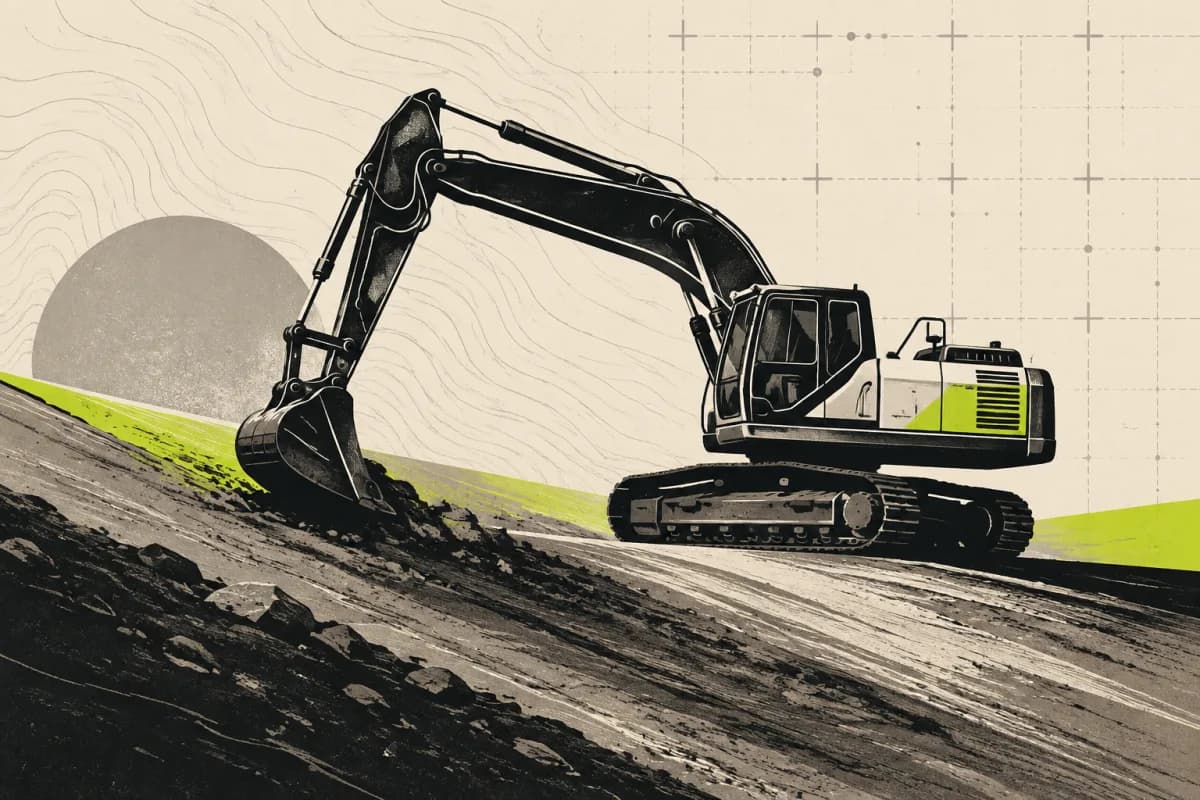
Excavation contractors dig and move earth for foundations, basements, utilities, pools and site cuts. Most residential jobs run on a mini or mid-size excavator paired with a skid steer and a dump truck; larger cuts bring in a dozer or scraper. The price depends less on the size of the hole than on what is in the ground: clay, ledge rock, high groundwater and buried utilities all slow the machine down and change the hauling math. Before the bucket touches dirt the site needs an 811 utility locate, and any trench deeper than five feet needs a protective system under OSHA rules.
Foundations
Foundations
Foundation contractors build the part of the structure that carries everything above it into the ground: spread footings below frost depth, stem walls or basement walls, monolithic and slab-on-grade foundations, and pier or grade beam systems where soils are poor. The work follows the stamped plans and the geotechnical report, and it is inspected at fixed points, usually the open footing trench with rebar in place before the pour, then again before the slab and before backfill. Frost depth sets the footing bottom, from about twelve inches in the Gulf states to four feet or more across the northern tier. Waterproofing or dampproofing, a footing drain and free-draining backfill are what keep a basement dry, and they are cheapest to do right while the wall is still exposed.
Grading
Grading
Grading is the shaping of ground to a designed elevation and slope. Rough grading moves the bulk of the earth to bring a site close to plan; finish grading dials in the last few inches so a pad is level and a yard sheds water. The number that matters is fall: building codes call for the ground to drop at least six inches in the first ten feet away from a foundation, and a lawn or gravel area needs roughly a two percent slope to drain. Crews do this with a dozer, a skid steer with a grading bar, or a motor grader on larger lots, checked against a laser or GPS grade stake rather than by eye.
Pond Water Management
Pond Water Management
Pond and water management contractors excavate and shape ponds, build or repair the embankment dams that hold them, and cut the ditches, swales and channels that move water across a property. A pond that holds water starts with the soil: it needs a clay core or a compacted clay liner, or a synthetic liner where the ground is sandy or rocky, and the dam is built in compacted lifts with a keyway cut into the original ground. Every pond also needs a way to pass the big storm, usually a principal spillway pipe plus an emergency spillway cut in natural ground, sized for the watershed above it. USDA NRCS publishes free design standards for farm ponds that most contractors follow. Cleanouts, which remove years of silt and reshape banks, are common on older ponds and are priced by the cubic yard removed and where that muck can be spread.
Retaining Walls
Retaining Walls
Retaining walls hold back soil where a grade change is too steep to slope, and they fail for one reason far more than any other: water. A wall that lasts has a compacted crushed-stone base, a perforated drain pipe at the heel, clean gravel backfill behind the wall face, and geogrid layers tied into the backfill on anything tall. Segmental concrete block is the most common residential system and can be built by a landscape contractor up to about four feet; above that, or wherever a driveway, slope or structure sits above the wall, an engineer's design is required by most codes and the wall becomes structural work. Poured concrete and reinforced masonry walls are used for tall cuts and tight sites, boulder walls for rural and natural-look projects, and pressure-treated timber for budget walls with a shorter life.
Equipment capabilities
Service area
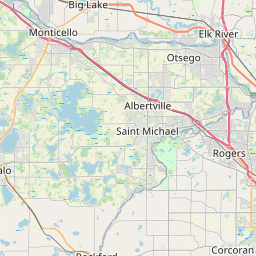
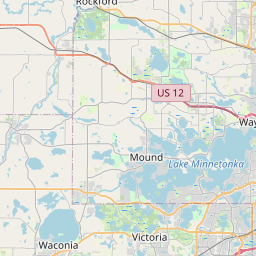
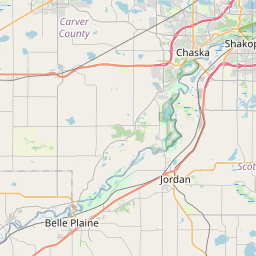
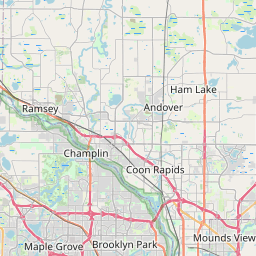
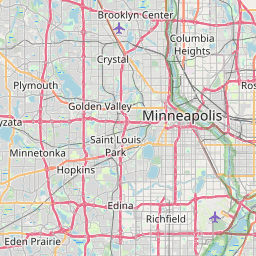
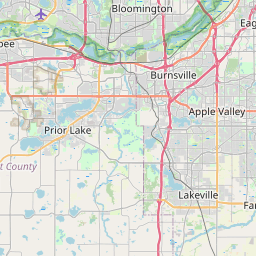
© OpenStreetMap contributors
Answers
Frequently asked
Straight answers from Rivus Drainage.
Q: Do you offer free quotes?
Q: Do you offer free quotes?
Yes. Every project starts with a free, no-pressure quote. We'll look at your drainage issue, explain your options, and give you clear pricing before any work begins.
Q: What drainage solutions do you offer?
Q: What drainage solutions do you offer?
Yard drainage (like French drains), structure and foundation drainage, grading and excavating, water collection systems such as catch basins and dry wells, and commercial drainage. Whatever's causing the water problem, we have a solution for it.
Q: Can drainage problems really damage my foundation?
Q: Can drainage problems really damage my foundation?
Yes. Water collecting against your foundation can lead to cracks, leaks, and expensive structural damage over time. Moving water away from the house is one of the best things you can do to protect your home.
Can't reach this crew?
Tell us about the job and add photos. A local pro calls you back. Free, and no spam.
Similar businesses
Other excavation contractors near you on GradeLine worth comparing.

2 Swan, LLC
Eden Prairie, MN
demolition, excavation, foundations
5.00View

Bollig & Sons Inc
Minnetonka, MN
excavation
4.00View
Excel Excavating Plus INC
Chanhassen, MN
excavation
5.00View
Chuck's Excavating
Chanhassen, MN
excavation
5.00View

Trinity Land Services
Chaska, MN
excavation
5.00View
Midwest Civil Constructors, LLC
Shakopee, MN
excavation
NewView
Genadek Landscaping and Excavating
Minneapolis, MN
demolition, erosion control, excavation
4.40View
Stocker Excavating Co
Savage, MN
excavation, grading, hauling trucking
3.00View