
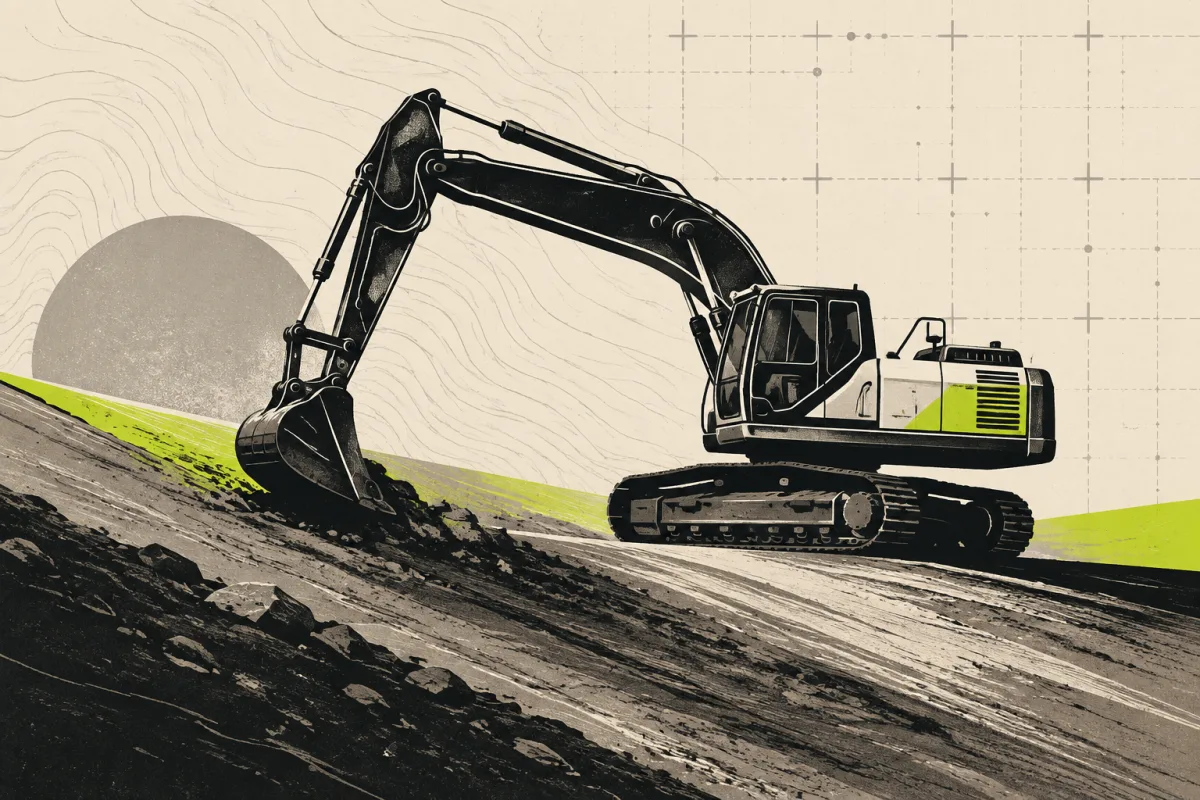
Keith Frieden Excavating
Is this your business?
Verify your details, add your own photos, and make sure homeowner calls reach you.
Direct contact
No middleman
Established crew
Local contractor
Service area
New Boston, IL
About the crew
Keith Frieden Excavating serves New Boston, IL with excavation, site preparation, and related earthwork services. Contact the crew directly to discuss the site, schedule, and project requirements.
Location: 658 140th Ave, New Boston, IL 61272
Counties served: Mercer County
Talk to the crew
Request a quote
Share the project basics with Keith Frieden Excavating. Your request goes directly to the contractor.
Fast Quote Form
Services
Concrete Flatwork
Concrete Flatwork
Concrete flatwork covers everything flat and horizontal: garage and shop slabs, patios, sidewalks, equipment pads and aprons. Most of what determines whether a slab lasts happens before the truck arrives. The subgrade is compacted, a gravel base of about four inches is placed and compacted, forms are set to grade with slope away from the building, and reinforcement, typically wire mesh or #3 or #4 rebar on chairs, is placed. Residential slabs are usually four inches thick and poured at 3,000 to 4,000 psi; anything that will see trucks or equipment goes to five or six inches. Control joints are cut at intervals of roughly two to three times the slab thickness in feet, so about every eight to twelve feet on a four-inch slab, because concrete will crack somewhere and joints tell it where. Concrete needs about seven days before foot traffic and twenty-eight to reach design strength.
Decorative Concrete
Decorative Concrete
Decorative concrete is standard flatwork with a finish applied while it is wet or after it cures: stamped patterns that mimic stone, slate or wood plank, integral or broadcast color, acid or water-based stains, exposed aggregate, and polymer overlays that resurface an existing slab. The finish adds a lot of labor in a short window. On a stamped pour the crew has to place, color, stamp and detail the whole slab before it sets, so crew size and weather matter more than on plain concrete. Because the surface is the product, the base, thickness, reinforcement and joint layout still have to be right, and joints should be planned into the pattern rather than cut across it afterward. Sealer is what keeps color and finish looking new; most decorative surfaces need resealing every two to three years, and stamped surfaces can be slippery when wet unless a grit additive is used.
Excavation
Excavation
Excavation contractors dig and move earth for foundations, basements, utilities, pools and site cuts. Most residential jobs run on a mini or mid-size excavator paired with a skid steer and a dump truck; larger cuts bring in a dozer or scraper. The price depends less on the size of the hole than on what is in the ground: clay, ledge rock, high groundwater and buried utilities all slow the machine down and change the hauling math. Before the bucket touches dirt the site needs an 811 utility locate, and any trench deeper than five feet needs a protective system under OSHA rules.
Foundations
Foundations
Foundation contractors build the part of the structure that carries everything above it into the ground: spread footings below frost depth, stem walls or basement walls, monolithic and slab-on-grade foundations, and pier or grade beam systems where soils are poor. The work follows the stamped plans and the geotechnical report, and it is inspected at fixed points, usually the open footing trench with rebar in place before the pour, then again before the slab and before backfill. Frost depth sets the footing bottom, from about twelve inches in the Gulf states to four feet or more across the northern tier. Waterproofing or dampproofing, a footing drain and free-draining backfill are what keep a basement dry, and they are cheapest to do right while the wall is still exposed.
Land Clearing
Land Clearing
Land clearing removes trees, brush, stumps and roots so a parcel can be built on, farmed, fenced or simply seen. The method drives the price. A forestry mulcher grinds standing brush and small trees into chips in a single pass and leaves the ground surface intact; a dozer with a root rake pushes everything into piles for burning or hauling; an excavator with a thumb pulls stumps and stacks logs. Grubbing, which means pulling stumps and roots, is a separate step from clearing and is required anywhere a foundation, driveway or septic field will go. Selective clearing around trees you want to keep takes more hand work and more time than clearing a lot wall to wall.
Pond Water Management
Pond Water Management
Pond and water management contractors excavate and shape ponds, build or repair the embankment dams that hold them, and cut the ditches, swales and channels that move water across a property. A pond that holds water starts with the soil: it needs a clay core or a compacted clay liner, or a synthetic liner where the ground is sandy or rocky, and the dam is built in compacted lifts with a keyway cut into the original ground. Every pond also needs a way to pass the big storm, usually a principal spillway pipe plus an emergency spillway cut in natural ground, sized for the watershed above it. USDA NRCS publishes free design standards for farm ponds that most contractors follow. Cleanouts, which remove years of silt and reshape banks, are common on older ponds and are priced by the cubic yard removed and where that muck can be spread.
Site Prep
Site Prep
Site preparation is the package of work that turns a lot into a place a builder can start. On a typical job that means clearing vegetation, stripping and stockpiling topsoil, cutting or filling to the pad elevation, compacting fill in lifts, cutting in a temporary driveway, and installing the silt fence and gravel entrance the stormwater inspector expects to see. The scope shifts with the ground: a flat suburban infill lot may take two days, while a sloped wooded parcel with poor soil can run weeks and involve undercutting and replacing unsuitable material. Site prep contractors typically coordinate with the surveyor who sets the corners and the geotechnical engineer who signs off on compaction.
Equipment capabilities
Service area
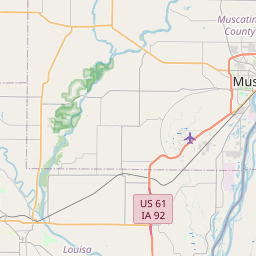


© OpenStreetMap contributors
Can't reach this crew?
Tell us about the job and add photos. A local pro calls you back. Free, and no spam.
Similar businesses
Other excavation contractors near you on GradeLine worth comparing.
Riverbend Excavating
Muscatine, IA
excavation
NewView
Zenk Excavating LLC
Aledo, IL
excavation
3.70View
Vaughn Trucking & Excavating
Aledo, IL
excavation
5.00View
Fuhr Excavation Co
Taylor Ridge, IL
excavation
4.30View
OE LLC
Letts, IA
excavation
NewView
Redline Construction
Letts, IA
excavation
5.00View
Gauley Excavating
Milan, IL
excavation
NewView
Broders Excavating, LLC
Nichols, IA
excavation
4.40View