
James Construction
Is this your business?
Verify your details, add your own photos, and make sure homeowner calls reach you.
About the crew
James Construction serves Oakland, NJ with excavation, site preparation, and related earthwork services. Contact the crew directly to discuss the site, schedule, and project requirements.
Location: 65 Edison Ave, Oakland, NJ 07436
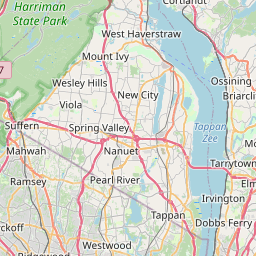
Counties served: Bergen County
Talk to the crew
Request a quote
Share the project basics with James Construction. Your request goes directly to the contractor.
Fast Quote Form
Services
Excavation
Excavation
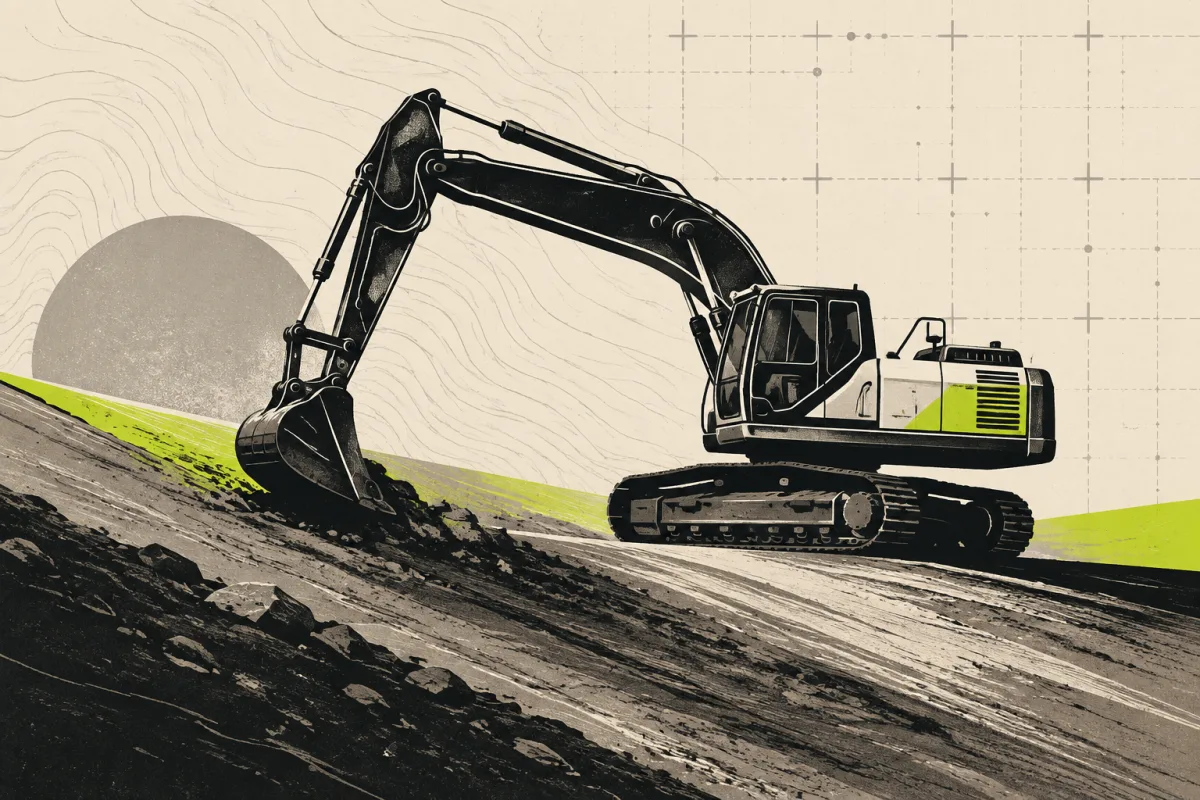
Excavation contractors dig and move earth for foundations, basements, utilities, pools and site cuts. Most residential jobs run on a mini or mid-size excavator paired with a skid steer and a dump truck; larger cuts bring in a dozer or scraper. The price depends less on the size of the hole than on what is in the ground: clay, ledge rock, high groundwater and buried utilities all slow the machine down and change the hauling math. Before the bucket touches dirt the site needs an 811 utility locate, and any trench deeper than five feet needs a protective system under OSHA rules.
Grading
Grading
Grading is the shaping of ground to a designed elevation and slope. Rough grading moves the bulk of the earth to bring a site close to plan; finish grading dials in the last few inches so a pad is level and a yard sheds water. The number that matters is fall: building codes call for the ground to drop at least six inches in the first ten feet away from a foundation, and a lawn or gravel area needs roughly a two percent slope to drain. Crews do this with a dozer, a skid steer with a grading bar, or a motor grader on larger lots, checked against a laser or GPS grade stake rather than by eye.
Paving Prep
Paving Prep
Paving preparation is the earthwork under asphalt or concrete: cutting the subgrade to plan, undercutting and replacing soft spots, placing and compacting aggregate base in lifts, and proof rolling with a loaded truck to find anything that pumps before the paving crew shows up. Asphalt is only as good as what is under it, and most premature cracking and rutting traces back to a thin or poorly compacted base rather than the mix. Base thickness runs from about four to six inches of crushed stone under a residential driveway to eight to twelve inches or more under a commercial lot or a road, compacted to 95 percent or better of maximum density, with the surface held to within a fraction of an inch of grade so the asphalt lift is uniform. Prep contractors often also handle the curb subgrade, drainage structures and the connection to existing pavement.
Retaining Walls
Retaining Walls
Retaining walls hold back soil where a grade change is too steep to slope, and they fail for one reason far more than any other: water. A wall that lasts has a compacted crushed-stone base, a perforated drain pipe at the heel, clean gravel backfill behind the wall face, and geogrid layers tied into the backfill on anything tall. Segmental concrete block is the most common residential system and can be built by a landscape contractor up to about four feet; above that, or wherever a driveway, slope or structure sits above the wall, an engineer's design is required by most codes and the wall becomes structural work. Poured concrete and reinforced masonry walls are used for tall cuts and tight sites, boulder walls for rural and natural-look projects, and pressure-treated timber for budget walls with a shorter life.
Trenching Underground
Trenching Underground
Trenching and underground utility contractors open the ground for pipe and conduit, bed and backfill it, and put the surface back. What looks like a straight line on a plan is governed by a few hard numbers: 811 locates before any digging, a minimum cover depth that varies by utility (commonly 18 to 24 inches for electric and gas service, and below the frost line for water), and OSHA's requirement that any trench five feet or deeper have a protective system such as a trench box, shoring or a sloped wall, with a competent person on site. Bedding material under the pipe, compaction of the backfill in lifts and tracer wire on non-metallic pipe are the details that separate a line that lasts fifty years from one that settles and cracks the driveway above it.
Service area



© OpenStreetMap contributors
Can't reach this crew?
Tell us about the job and add photos. A local pro calls you back. Free, and no spam.
Similar businesses
Other excavation contractors near you on GradeLine worth comparing.
Iron Horse Construction Co Inc
Oakland, NJ
excavation
NewView
Dansan Co Inc
Riverdale, NJ
excavation
NewView
Perfection Excavating LLC
Franklin Lakes, NJ
excavation
4.70View

Mike Jost Excavating, Inc.
Franklin Lakes, NJ
excavation
5.00View
Roger Redner Excavating Inc
Ringwood, NJ
excavation
5.00View
KCM Construction LLC
Pompton Plains, NJ
excavation
4.00View
J Fritz Inc
Pompton Plains, NJ
excavation
NewView
VJS Enterprises LLC
Ringwood, NJ
excavation, foundations, grading
5.00View