

J B Preslar Trucking Company, Inc.
About the crew
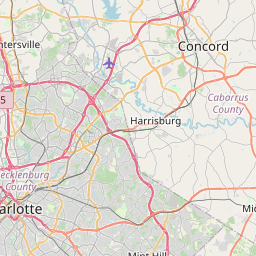
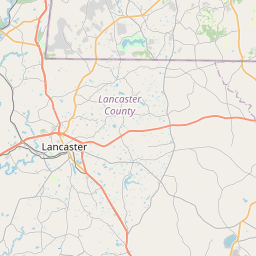
J B Preslar Trucking Company, Inc. serves Monroe, NC with excavation, site preparation, and related earthwork services. Contact the crew directly to discuss the site, schedule, and project requirements.
Location: 4540 Secrest Shortcut Rd, Monroe, NC 28110
Counties served: Union County
Talk to the crew
Request a quote
Share the project basics with J B Preslar Trucking Company, Inc.. Your request goes directly to the contractor.
Fast Quote Form
Services
Erosion-Control
Erosion-Control
Erosion and sediment control keeps disturbed soil on the site and out of storm drains, ditches and neighboring property while construction is under way and until vegetation is established. Under the federal Clean Water Act, any project that disturbs one acre or more needs coverage under a construction stormwater permit and a written plan, commonly called a SWPPP, and many cities set lower thresholds. The physical work is simple and unglamorous: silt fence trenched in along the downhill perimeter, a stone construction entrance so trucks do not track mud onto the road, protection around every inlet, check dams in ditches, and erosion control blanket or hydroseed on slopes. What most owners underestimate is the maintenance: controls have to be inspected after every rain of a quarter inch or more and repaired, and inspectors write violations for torn fence and full silt traps, not for missing paperwork.
Excavation
Excavation
Excavation contractors dig and move earth for foundations, basements, utilities, pools and site cuts. Most residential jobs run on a mini or mid-size excavator paired with a skid steer and a dump truck; larger cuts bring in a dozer or scraper. The price depends less on the size of the hole than on what is in the ground: clay, ledge rock, high groundwater and buried utilities all slow the machine down and change the hauling math. Before the bucket touches dirt the site needs an 811 utility locate, and any trench deeper than five feet needs a protective system under OSHA rules.
Foundations
Foundations
Foundation contractors build the part of the structure that carries everything above it into the ground: spread footings below frost depth, stem walls or basement walls, monolithic and slab-on-grade foundations, and pier or grade beam systems where soils are poor. The work follows the stamped plans and the geotechnical report, and it is inspected at fixed points, usually the open footing trench with rebar in place before the pour, then again before the slab and before backfill. Frost depth sets the footing bottom, from about twelve inches in the Gulf states to four feet or more across the northern tier. Waterproofing or dampproofing, a footing drain and free-draining backfill are what keep a basement dry, and they are cheapest to do right while the wall is still exposed.
General-Excavation
General-Excavation
General excavation contractors handle the range of earthwork that does not fit neatly under one heading, and they are the right call when a property needs several of them at once: a driveway cut, a drainage fix, a pad for a shop, a trench for water to the barn and a pile of stumps hauled off. A typical outfit runs a mid-size excavator, a skid steer or compact track loader, and a dump truck or trailer, and prices by the hour with a minimum or by the job for anything with a defined scope. Because the work is varied, the estimate is only as good as the description of the site, and the most useful thing an owner can do is walk the contractor through everything on the list at once so the machine moves once and mobilization is paid once.
Grading
Grading
Grading is the shaping of ground to a designed elevation and slope. Rough grading moves the bulk of the earth to bring a site close to plan; finish grading dials in the last few inches so a pad is level and a yard sheds water. The number that matters is fall: building codes call for the ground to drop at least six inches in the first ten feet away from a foundation, and a lawn or gravel area needs roughly a two percent slope to drain. Crews do this with a dozer, a skid steer with a grading bar, or a motor grader on larger lots, checked against a laser or GPS grade stake rather than by eye.
Paving-Prep
Paving-Prep
Paving preparation is the earthwork under asphalt or concrete: cutting the subgrade to plan, undercutting and replacing soft spots, placing and compacting aggregate base in lifts, and proof rolling with a loaded truck to find anything that pumps before the paving crew shows up. Asphalt is only as good as what is under it, and most premature cracking and rutting traces back to a thin or poorly compacted base rather than the mix. Base thickness runs from about four to six inches of crushed stone under a residential driveway to eight to twelve inches or more under a commercial lot or a road, compacted to 95 percent or better of maximum density, with the surface held to within a fraction of an inch of grade so the asphalt lift is uniform. Prep contractors often also handle the curb subgrade, drainage structures and the connection to existing pavement.
Pond-Water-Management
Pond-Water-Management
Pond and water management contractors excavate and shape ponds, build or repair the embankment dams that hold them, and cut the ditches, swales and channels that move water across a property. A pond that holds water starts with the soil: it needs a clay core or a compacted clay liner, or a synthetic liner where the ground is sandy or rocky, and the dam is built in compacted lifts with a keyway cut into the original ground. Every pond also needs a way to pass the big storm, usually a principal spillway pipe plus an emergency spillway cut in natural ground, sized for the watershed above it. USDA NRCS publishes free design standards for farm ponds that most contractors follow. Cleanouts, which remove years of silt and reshape banks, are common on older ponds and are priced by the cubic yard removed and where that muck can be spread.
Septic-Systems
Septic-Systems
Septic contractors install and replace the tank, distribution box and drain field that treat wastewater on properties without sewer. Nothing goes in the ground until a soil evaluation or percolation test has been done and the county or state health department has approved a system design; the installer builds to that design and the inspector looks at the open trenches before they are covered. Conventional gravel-and-pipe drain fields are the least expensive where soil drains well, but heavy clay, high water tables and small lots push jobs toward chambers, sand mounds, drip dispersal or an aerobic treatment unit, each with a different price and maintenance schedule. Most states license septic installers separately from general contractors, and many require a pumping and inspection record at property sale.
Service area



© OpenStreetMap contributors
Is this your business?
Verify the listing, correct details, and add your own project photos.
Similar businesses
Other excavation contractors near you on GradeLine worth comparing.

MAD Excavating
Monroe, NC
driveways, excavation, general-excavation
5.00View

Wood Harvest Inc
Monroe, NC
excavation, general-excavation
4.60View

Ritter Inc. Grading & Trucking
Monroe, NC
excavation, general-excavation
5.00View

McCollum Trucking & Grading Inc
Monroe, NC
driveways, excavation, general-excavation
4.80View

Cornerstone Excavation Group
Indian Trail, NC
excavation, general-excavation
5.00View

SVS Projects LLC
Monroe, NC
excavation, general-excavation
5.00View
Winchester Grading Inc.
Monroe, NC
excavation, general-excavation, grading
5.00View

UL Excavating and Grading
Stallings, NC
demolition, driveways, excavation
4.70View