
Heckman Hauling & Excavating
Is this your business?
Verify your details, add your own photos, and make sure homeowner calls reach you.
Direct contact
No middleman
Established crew
Local contractor
Service area
Glen Lyon, PA
About the crew
Heckman Hauling & Excavating serves Glen Lyon, PA with excavation, site preparation, and related earthwork services. Contact the crew directly to discuss the site, schedule, and project requirements.
Location: Glen Lyon, PA
Counties served: Luzerne County
Talk to the crew
Request a quote
Share the project basics with Heckman Hauling & Excavating. Your request goes directly to the contractor.
Fast Quote Form
Services
Decorative Concrete
Decorative Concrete
Decorative concrete is standard flatwork with a finish applied while it is wet or after it cures: stamped patterns that mimic stone, slate or wood plank, integral or broadcast color, acid or water-based stains, exposed aggregate, and polymer overlays that resurface an existing slab. The finish adds a lot of labor in a short window. On a stamped pour the crew has to place, color, stamp and detail the whole slab before it sets, so crew size and weather matter more than on plain concrete. Because the surface is the product, the base, thickness, reinforcement and joint layout still have to be right, and joints should be planned into the pattern rather than cut across it afterward. Sealer is what keeps color and finish looking new; most decorative surfaces need resealing every two to three years, and stamped surfaces can be slippery when wet unless a grit additive is used.
Driveways
Driveways
Driveway contractors build the surface between the road and the house, from a gravel farm lane to a poured concrete approach, and the base under the surface decides how long any of them last. A typical driveway is excavated to remove topsoil, graded with a crown or cross slope so water runs off, and built up with four to eight inches of compacted crushed stone before the top layer goes on. Where the driveway crosses a roadside ditch it needs a culvert sized by the county, and the connection to a public road is regulated by the road authority. Gravel is the least expensive and needs regrading every year or two; asphalt costs more and needs sealing; concrete costs the most up front and lasts longest if the base and joints are done right.
Erosion Control
Erosion Control
Erosion and sediment control keeps disturbed soil on the site and out of storm drains, ditches and neighboring property while construction is under way and until vegetation is established. Under the federal Clean Water Act, any project that disturbs one acre or more needs coverage under a construction stormwater permit and a written plan, commonly called a SWPPP, and many cities set lower thresholds. The physical work is simple and unglamorous: silt fence trenched in along the downhill perimeter, a stone construction entrance so trucks do not track mud onto the road, protection around every inlet, check dams in ditches, and erosion control blanket or hydroseed on slopes. What most owners underestimate is the maintenance: controls have to be inspected after every rain of a quarter inch or more and repaired, and inspectors write violations for torn fence and full silt traps, not for missing paperwork.
Excavation
Excavation
Excavation contractors dig and move earth for foundations, basements, utilities, pools and site cuts. Most residential jobs run on a mini or mid-size excavator paired with a skid steer and a dump truck; larger cuts bring in a dozer or scraper. The price depends less on the size of the hole than on what is in the ground: clay, ledge rock, high groundwater and buried utilities all slow the machine down and change the hauling math. Before the bucket touches dirt the site needs an 811 utility locate, and any trench deeper than five feet needs a protective system under OSHA rules.
Foundations
Foundations
Foundation contractors build the part of the structure that carries everything above it into the ground: spread footings below frost depth, stem walls or basement walls, monolithic and slab-on-grade foundations, and pier or grade beam systems where soils are poor. The work follows the stamped plans and the geotechnical report, and it is inspected at fixed points, usually the open footing trench with rebar in place before the pour, then again before the slab and before backfill. Frost depth sets the footing bottom, from about twelve inches in the Gulf states to four feet or more across the northern tier. Waterproofing or dampproofing, a footing drain and free-draining backfill are what keep a basement dry, and they are cheapest to do right while the wall is still exposed.
Grading
Grading
Grading is the shaping of ground to a designed elevation and slope. Rough grading moves the bulk of the earth to bring a site close to plan; finish grading dials in the last few inches so a pad is level and a yard sheds water. The number that matters is fall: building codes call for the ground to drop at least six inches in the first ten feet away from a foundation, and a lawn or gravel area needs roughly a two percent slope to drain. Crews do this with a dozer, a skid steer with a grading bar, or a motor grader on larger lots, checked against a laser or GPS grade stake rather than by eye.
Hauling Trucking
Hauling Trucking
Hauling contractors move bulk material to and from job sites: delivering gravel, sand, topsoil and fill, and removing excavated spoil, concrete and demolition debris. Pricing is built around truck size and cycle time. A tandem dump truck carries roughly 10 to 14 cubic yards, a tri-axle 15 to 18, and a belly dump or end dump trailer over 20; the driver's rate covers loading, travel, dumping and any wait time at either end. Distance to the pit or landfill is often the biggest variable, and tipping fees for debris are usually passed through separately. Contractors who also run a loader or excavator can load their own trucks, which matters when nothing on site is available to fill them.
Land Clearing
Land Clearing
Land clearing removes trees, brush, stumps and roots so a parcel can be built on, farmed, fenced or simply seen. The method drives the price. A forestry mulcher grinds standing brush and small trees into chips in a single pass and leaves the ground surface intact; a dozer with a root rake pushes everything into piles for burning or hauling; an excavator with a thumb pulls stumps and stacks logs. Grubbing, which means pulling stumps and roots, is a separate step from clearing and is required anywhere a foundation, driveway or septic field will go. Selective clearing around trees you want to keep takes more hand work and more time than clearing a lot wall to wall.
Septic Systems
Septic Systems
Septic contractors install and replace the tank, distribution box and drain field that treat wastewater on properties without sewer. Nothing goes in the ground until a soil evaluation or percolation test has been done and the county or state health department has approved a system design; the installer builds to that design and the inspector looks at the open trenches before they are covered. Conventional gravel-and-pipe drain fields are the least expensive where soil drains well, but heavy clay, high water tables and small lots push jobs toward chambers, sand mounds, drip dispersal or an aerobic treatment unit, each with a different price and maintenance schedule. Most states license septic installers separately from general contractors, and many require a pumping and inspection record at property sale.
Site Prep
Site Prep
Site preparation is the package of work that turns a lot into a place a builder can start. On a typical job that means clearing vegetation, stripping and stockpiling topsoil, cutting or filling to the pad elevation, compacting fill in lifts, cutting in a temporary driveway, and installing the silt fence and gravel entrance the stormwater inspector expects to see. The scope shifts with the ground: a flat suburban infill lot may take two days, while a sloped wooded parcel with poor soil can run weeks and involve undercutting and replacing unsuitable material. Site prep contractors typically coordinate with the surveyor who sets the corners and the geotechnical engineer who signs off on compaction.
Trenching Underground
Trenching Underground
Trenching and underground utility contractors open the ground for pipe and conduit, bed and backfill it, and put the surface back. What looks like a straight line on a plan is governed by a few hard numbers: 811 locates before any digging, a minimum cover depth that varies by utility (commonly 18 to 24 inches for electric and gas service, and below the frost line for water), and OSHA's requirement that any trench five feet or deeper have a protective system such as a trench box, shoring or a sloped wall, with a competent person on site. Bedding material under the pipe, compaction of the backfill in lifts and tracer wire on non-metallic pipe are the details that separate a line that lasts fifty years from one that settles and cracks the driveway above it.
Equipment capabilities
Service area

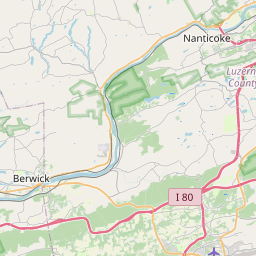
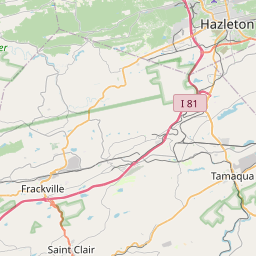

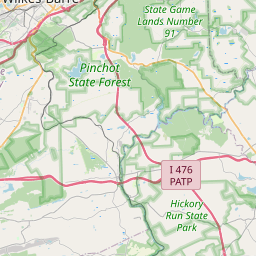
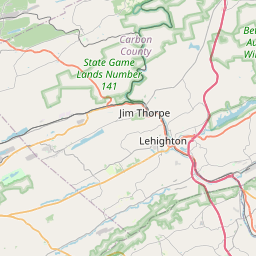
© OpenStreetMap contributors
Answers
Frequently asked
Straight answers from Heckman Hauling & Excavating.
Does Heckman Hauling & Excavating offer free estimates for their excavation services?
Does Heckman Hauling & Excavating offer free estimates for their excavation services?
Yes, Heckman Hauling & Excavating is pleased to offer free estimates for all of our excavation services. We believe in providing transparent and upfront pricing to our clients, allowing you to fully understand the scope of work and associated costs before any project begins. Whether you need site preparation, land clearing, or any other excavation services, feel free to contact us to schedule your free estimate.
What sets Heckman Hauling & Excavating apart from other excavating companies?
What sets Heckman Hauling & Excavating apart from other excavating companies?
Heckman Hauling & Excavating distinguishes itself through a commitment to personalized service, innovative technology, and environmentally-friendly practices. Our team combines decades of industry experience with state-of-the-art equipment to deliver precision and efficiency on each project. We also prioritize sustainable methods and materials to minimize environmental impact. Whether it's a small residential dig or a large commercial excavation, we tailor our approach to suit the unique needs of each client, ensuring satisfaction and peace of mind.
What services does Heckman Hauling & Excavating offer?
What services does Heckman Hauling & Excavating offer?
Heckman Hauling & Excavating offers a comprehensive range of services including site preparation, land clearing, grading, trenching, and excavation for both residential and commercial projects. We also provide hauling services for the removal of debris, soil, and other materials, as well as specialized excavation for utilities and drainage systems. Our experienced team is equipped to handle projects of all sizes with precision and efficiency.
Can't reach this crew?
Tell us about the job and add photos. A local pro calls you back. Free, and no spam.
Similar businesses
Other excavation contractors near you on GradeLine worth comparing.
Black Creek Excavation
Glen Lyon, PA
excavation
5.00View
Winfield L Peters Landscape
Nanticoke, PA
excavation
4.00View
Shelhamer Sons Inc
Drums, PA
excavation
5.00View
Mountainside Contracting
Drums, PA
excavation
4.00View
BSK Excavation
Glen Lyon, PA
excavation
5.00View
JD GroundWorx Inc.
Hazleton, PA
demolition, excavation, foundations
4.60View
P & R Trucking & Excavating
Sugarloaf, PA
excavation
5.00View
Tri-County Excavation
Hazle Township, PA
excavation
3.00View