
Gerald Kinyon Construction, L.L.C.
Is this your business?
Verify your details, add your own photos, and make sure homeowner calls reach you.
Direct contact
No middleman
Established crew
Local contractor
Service area
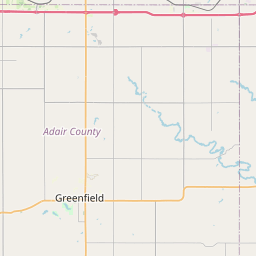
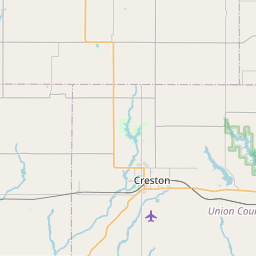
Creston, IA
About the crew
Gerald Kinyon Construction, L.L.C. serves Creston, IA with excavation, site preparation, and related earthwork services. Contact the crew directly to discuss the site, schedule, and project requirements.
Location: Creston, IA
Counties served: Union County
Talk to the crew
Request a quote
Share the project basics with Gerald Kinyon Construction, L.L.C.. Your request goes directly to the contractor.
Fast Quote Form
Services
Demolition
Demolition
Demolition contractors take down houses, garages, commercial buildings and foundations, then sort and haul what is left. The teardown itself is the fast part; most of the schedule is the paperwork that has to happen first. Gas, electric and water are disconnected and capped at the main, an asbestos survey is completed by a licensed inspector and any friable material is abated before the excavator swings, and the demolition permit is posted. A residential house typically comes down in one to two days with a 30 to 40 ton excavator; hauling and backfilling the hole can take a few more. Selective demolition, such as removing a wing or gutting an interior for a remodel, is priced by labor hours because it is done with hand tools and small machines around what stays.
Excavation
Excavation
Excavation contractors dig and move earth for foundations, basements, utilities, pools and site cuts. Most residential jobs run on a mini or mid-size excavator paired with a skid steer and a dump truck; larger cuts bring in a dozer or scraper. The price depends less on the size of the hole than on what is in the ground: clay, ledge rock, high groundwater and buried utilities all slow the machine down and change the hauling math. Before the bucket touches dirt the site needs an 811 utility locate, and any trench deeper than five feet needs a protective system under OSHA rules.
Grading
Grading
Grading is the shaping of ground to a designed elevation and slope. Rough grading moves the bulk of the earth to bring a site close to plan; finish grading dials in the last few inches so a pad is level and a yard sheds water. The number that matters is fall: building codes call for the ground to drop at least six inches in the first ten feet away from a foundation, and a lawn or gravel area needs roughly a two percent slope to drain. Crews do this with a dozer, a skid steer with a grading bar, or a motor grader on larger lots, checked against a laser or GPS grade stake rather than by eye.
Pond Water Management
Pond Water Management
Pond and water management contractors excavate and shape ponds, build or repair the embankment dams that hold them, and cut the ditches, swales and channels that move water across a property. A pond that holds water starts with the soil: it needs a clay core or a compacted clay liner, or a synthetic liner where the ground is sandy or rocky, and the dam is built in compacted lifts with a keyway cut into the original ground. Every pond also needs a way to pass the big storm, usually a principal spillway pipe plus an emergency spillway cut in natural ground, sized for the watershed above it. USDA NRCS publishes free design standards for farm ponds that most contractors follow. Cleanouts, which remove years of silt and reshape banks, are common on older ponds and are priced by the cubic yard removed and where that muck can be spread.
Septic Systems
Septic Systems
Septic contractors install and replace the tank, distribution box and drain field that treat wastewater on properties without sewer. Nothing goes in the ground until a soil evaluation or percolation test has been done and the county or state health department has approved a system design; the installer builds to that design and the inspector looks at the open trenches before they are covered. Conventional gravel-and-pipe drain fields are the least expensive where soil drains well, but heavy clay, high water tables and small lots push jobs toward chambers, sand mounds, drip dispersal or an aerobic treatment unit, each with a different price and maintenance schedule. Most states license septic installers separately from general contractors, and many require a pumping and inspection record at property sale.
Trenching Underground
Trenching Underground
Trenching and underground utility contractors open the ground for pipe and conduit, bed and backfill it, and put the surface back. What looks like a straight line on a plan is governed by a few hard numbers: 811 locates before any digging, a minimum cover depth that varies by utility (commonly 18 to 24 inches for electric and gas service, and below the frost line for water), and OSHA's requirement that any trench five feet or deeper have a protective system such as a trench box, shoring or a sloped wall, with a competent person on site. Bedding material under the pipe, compaction of the backfill in lifts and tracer wire on non-metallic pipe are the details that separate a line that lasts fifty years from one that settles and cracks the driveway above it.
Equipment capabilities
Service area
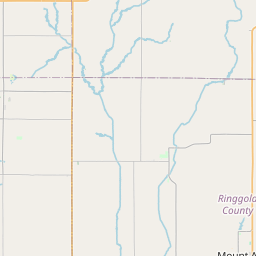
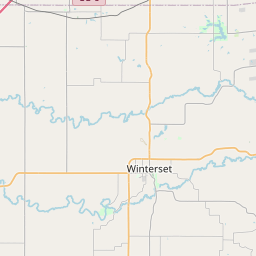
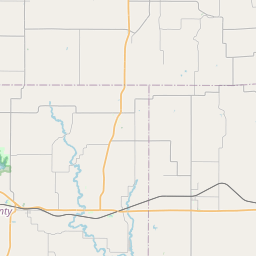
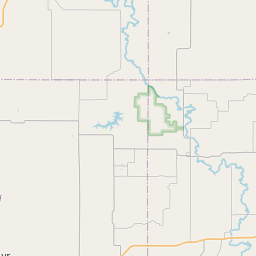
© OpenStreetMap contributors
Answers
Frequently asked
Straight answers from Gerald Kinyon Construction, L.L.C..
How does field tiling benefit agricultural properties?
How does field tiling benefit agricultural properties?
Field tiling improves soil drainage, reducing waterlogging and increasing crop yield by guiding excess water away from fields efficiently.
What is the role of GPS grade control and mapping in excavation projects?
What is the role of GPS grade control and mapping in excavation projects?
GPS grade control and mapping play a crucial role in projects by providing precision in trenching and tiling. This technology not only streamlines construction processes but also serves as a more efficient tool for locating existing infrastructure. When it comes to future expansions or additions, it's easier to find existing lines, as everything is already mapped out using GPS, saving time and reducing potential errors.
What services do you offer for water lines and livestock watering systems?
What services do you offer for water lines and livestock watering systems?
Gerald Kinyon & Sons Construction LLC specializes in both water line repair and installation, along with livestock watering system services. We ensure efficient installation and reliable maintenance to keep your systems running smoothly. With our expert team and advanced technology, we handle every project with precision and care, providing dependable solutions for your water management needs.
Why are regular septic inspections important?
Why are regular septic inspections important?
Regular septic inspections help identify potential issues early, ensuring the system operates efficiently, preventing costly repairs, and protecting the environment.
How does coco/peat moss benefit environmental projects?
How does coco/peat moss benefit environmental projects?
Coco/peat moss is used for its natural absorbency and sustainability, making it ideal for improving soil quality and supporting eco-friendly landscaping and agricultural practices.
Can't reach this crew?
Tell us about the job and add photos. A local pro calls you back. Free, and no spam.
Similar businesses
Other excavation contractors near you on GradeLine worth comparing.
Hull Contracting
Creston, IA
excavation
5.00View
Eckard Construction, LLC
Creston, IA
excavation
5.00View
Eblen Construction - Mike Eblen
Creston, IA
excavation, pond water management
4.50View

C & J Conservation, L.L.C.
Creston, IA
excavation
2.00View
Wenzig Construction
Creston, IA
excavation
NewView
Watkin Excavation LLC
Creston, IA
excavation
5.00View
Vogel Mulching and Land Management
Buffalo (historical), IA
excavation
NewView

H & H Commercial Services
Diagonal, IA
demolition, excavation, pond water management
4.80View