
Emmons Trucking & Excavation LLC
Is this your business?
Verify your details, add your own photos, and make sure homeowner calls reach you.
Direct contact
No middleman
Established crew
Local contractor
Service area
Philomath, OR
About the crew
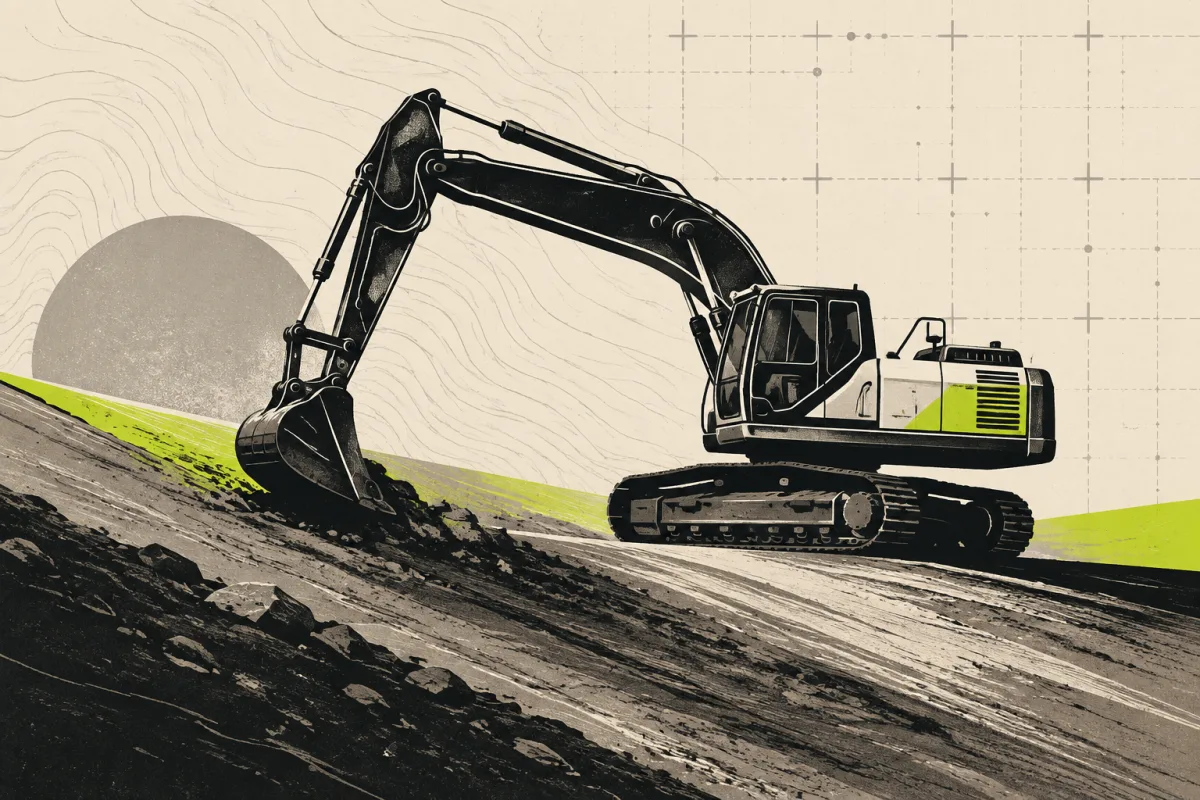
Emmons Trucking & Excavation LLC serves Philomath, OR with excavation, site preparation, and related earthwork services. Contact the crew directly to discuss the site, schedule, and project requirements.
Location: 23760 Labare Rd, Philomath, OR 97370
Counties served: Benton County
Talk to the crew
Request a quote
Share the project basics with Emmons Trucking & Excavation LLC. Your request goes directly to the contractor.
Fast Quote Form
Services
Driveways
Driveways
Driveway contractors build the surface between the road and the house, from a gravel farm lane to a poured concrete approach, and the base under the surface decides how long any of them last. A typical driveway is excavated to remove topsoil, graded with a crown or cross slope so water runs off, and built up with four to eight inches of compacted crushed stone before the top layer goes on. Where the driveway crosses a roadside ditch it needs a culvert sized by the county, and the connection to a public road is regulated by the road authority. Gravel is the least expensive and needs regrading every year or two; asphalt costs more and needs sealing; concrete costs the most up front and lasts longest if the base and joints are done right.
Excavation
Excavation
Excavation contractors dig and move earth for foundations, basements, utilities, pools and site cuts. Most residential jobs run on a mini or mid-size excavator paired with a skid steer and a dump truck; larger cuts bring in a dozer or scraper. The price depends less on the size of the hole than on what is in the ground: clay, ledge rock, high groundwater and buried utilities all slow the machine down and change the hauling math. Before the bucket touches dirt the site needs an 811 utility locate, and any trench deeper than five feet needs a protective system under OSHA rules.
Grading
Grading
Grading is the shaping of ground to a designed elevation and slope. Rough grading moves the bulk of the earth to bring a site close to plan; finish grading dials in the last few inches so a pad is level and a yard sheds water. The number that matters is fall: building codes call for the ground to drop at least six inches in the first ten feet away from a foundation, and a lawn or gravel area needs roughly a two percent slope to drain. Crews do this with a dozer, a skid steer with a grading bar, or a motor grader on larger lots, checked against a laser or GPS grade stake rather than by eye.
Hauling Trucking
Hauling Trucking
Hauling contractors move bulk material to and from job sites: delivering gravel, sand, topsoil and fill, and removing excavated spoil, concrete and demolition debris. Pricing is built around truck size and cycle time. A tandem dump truck carries roughly 10 to 14 cubic yards, a tri-axle 15 to 18, and a belly dump or end dump trailer over 20; the driver's rate covers loading, travel, dumping and any wait time at either end. Distance to the pit or landfill is often the biggest variable, and tipping fees for debris are usually passed through separately. Contractors who also run a loader or excavator can load their own trucks, which matters when nothing on site is available to fill them.
Pond Water Management
Pond Water Management
Pond and water management contractors excavate and shape ponds, build or repair the embankment dams that hold them, and cut the ditches, swales and channels that move water across a property. A pond that holds water starts with the soil: it needs a clay core or a compacted clay liner, or a synthetic liner where the ground is sandy or rocky, and the dam is built in compacted lifts with a keyway cut into the original ground. Every pond also needs a way to pass the big storm, usually a principal spillway pipe plus an emergency spillway cut in natural ground, sized for the watershed above it. USDA NRCS publishes free design standards for farm ponds that most contractors follow. Cleanouts, which remove years of silt and reshape banks, are common on older ponds and are priced by the cubic yard removed and where that muck can be spread.
Retaining Walls
Retaining Walls
Retaining walls hold back soil where a grade change is too steep to slope, and they fail for one reason far more than any other: water. A wall that lasts has a compacted crushed-stone base, a perforated drain pipe at the heel, clean gravel backfill behind the wall face, and geogrid layers tied into the backfill on anything tall. Segmental concrete block is the most common residential system and can be built by a landscape contractor up to about four feet; above that, or wherever a driveway, slope or structure sits above the wall, an engineer's design is required by most codes and the wall becomes structural work. Poured concrete and reinforced masonry walls are used for tall cuts and tight sites, boulder walls for rural and natural-look projects, and pressure-treated timber for budget walls with a shorter life.
Equipment capabilities
Service area


© OpenStreetMap contributors
Can't reach this crew?
Tell us about the job and add photos. A local pro calls you back. Free, and no spam.
Similar businesses
Other excavation contractors near you on GradeLine worth comparing.
Bravo Group Excavating
Philomath, OR
excavation
5.00View
Roush Family Construction
Philomath, OR
demolition, driveways, excavation
5.00View
Optimum Excavation
Philomath, OR
excavation
3.70View
Dennis Gibson Construction
Philomath, OR
excavation, site prep
5.00View
MVG Construction
Philomath, OR
excavation
4.50View

Chase Excavation
Corvallis, OR
erosion control, excavation, grading
NewView

Shed Horn Excavation Inc
Philomath, OR
demolition, driveways, excavation
4.60View
Brazil Excavating
Corvallis, OR
excavation
5.00View