
C-MAC Hydrovac
Is this your business?
Verify your details, add your own photos, and make sure homeowner calls reach you.
Direct contact
No middleman
Established crew
Local contractor
Service area
Nashport, OH
About the crew
C-MAC Hydrovac serves Nashport, OH with excavation, site preparation, and related earthwork services. Contact the crew directly to discuss the site, schedule, and project requirements.
Location: 3742 Ridgeland Dr, Nashport, OH 43830
Counties served: Licking County
Talk to the crew
Request a quote
Share the project basics with C-MAC Hydrovac. Your request goes directly to the contractor.
Fast Quote Form
Services
Excavation
Excavation
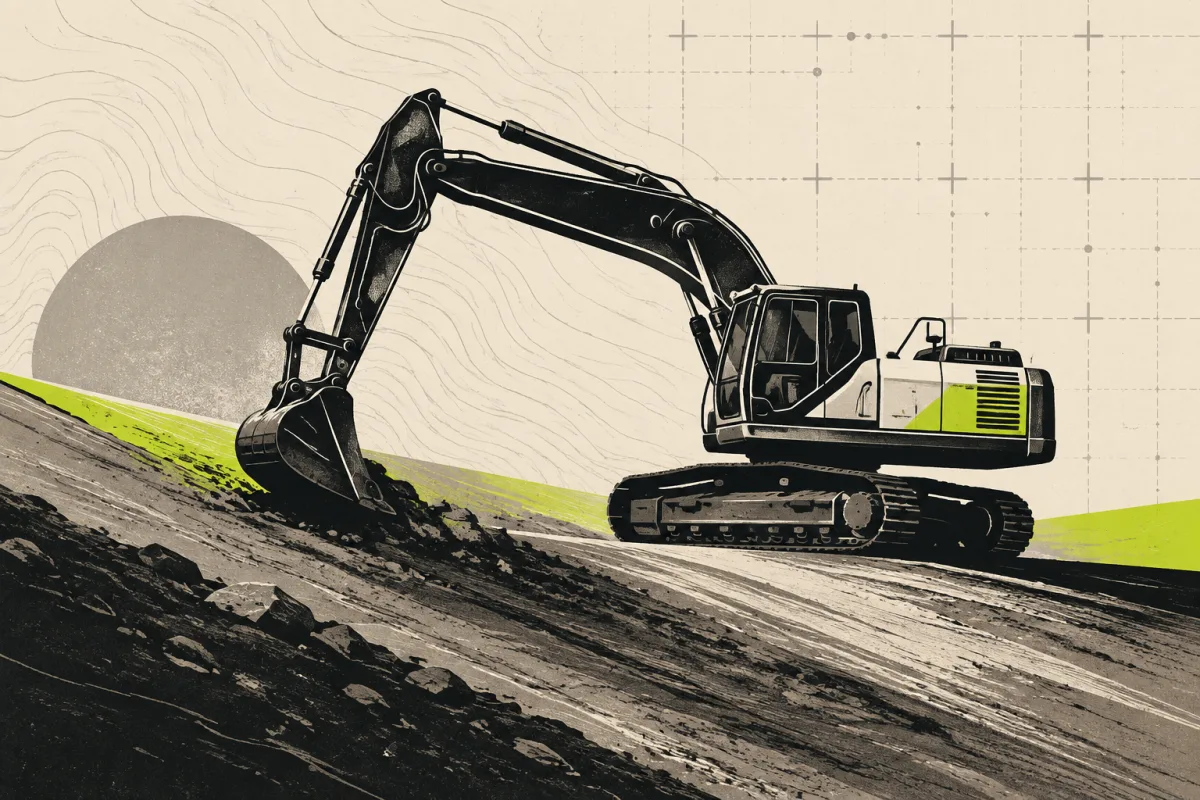
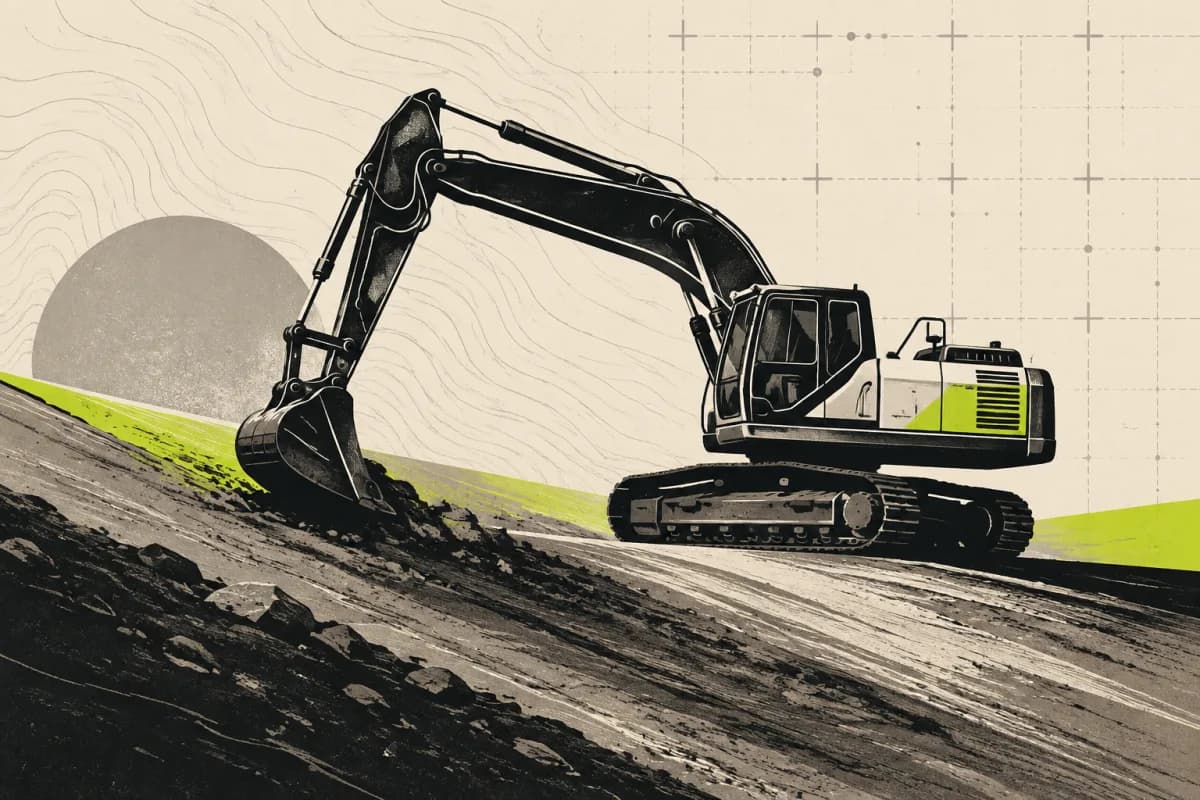
Excavation contractors dig and move earth for foundations, basements, utilities, pools and site cuts. Most residential jobs run on a mini or mid-size excavator paired with a skid steer and a dump truck; larger cuts bring in a dozer or scraper. The price depends less on the size of the hole than on what is in the ground: clay, ledge rock, high groundwater and buried utilities all slow the machine down and change the hauling math. Before the bucket touches dirt the site needs an 811 utility locate, and any trench deeper than five feet needs a protective system under OSHA rules.
Hauling Trucking
Hauling Trucking
Hauling contractors move bulk material to and from job sites: delivering gravel, sand, topsoil and fill, and removing excavated spoil, concrete and demolition debris. Pricing is built around truck size and cycle time. A tandem dump truck carries roughly 10 to 14 cubic yards, a tri-axle 15 to 18, and a belly dump or end dump trailer over 20; the driver's rate covers loading, travel, dumping and any wait time at either end. Distance to the pit or landfill is often the biggest variable, and tipping fees for debris are usually passed through separately. Contractors who also run a loader or excavator can load their own trucks, which matters when nothing on site is available to fill them.
Pond Water Management
Pond Water Management
Pond and water management contractors excavate and shape ponds, build or repair the embankment dams that hold them, and cut the ditches, swales and channels that move water across a property. A pond that holds water starts with the soil: it needs a clay core or a compacted clay liner, or a synthetic liner where the ground is sandy or rocky, and the dam is built in compacted lifts with a keyway cut into the original ground. Every pond also needs a way to pass the big storm, usually a principal spillway pipe plus an emergency spillway cut in natural ground, sized for the watershed above it. USDA NRCS publishes free design standards for farm ponds that most contractors follow. Cleanouts, which remove years of silt and reshape banks, are common on older ponds and are priced by the cubic yard removed and where that muck can be spread.
Trenching Underground
Trenching Underground
Trenching and underground utility contractors open the ground for pipe and conduit, bed and backfill it, and put the surface back. What looks like a straight line on a plan is governed by a few hard numbers: 811 locates before any digging, a minimum cover depth that varies by utility (commonly 18 to 24 inches for electric and gas service, and below the frost line for water), and OSHA's requirement that any trench five feet or deeper have a protective system such as a trench box, shoring or a sloped wall, with a competent person on site. Bedding material under the pipe, compaction of the backfill in lifts and tracer wire on non-metallic pipe are the details that separate a line that lasts fifty years from one that settles and cracks the driveway above it.
Hydro Excavation
Hydro Excavation
Hydro excavation crews use pressurized water to cut soil and a truck-mounted vacuum to lift the slurry into a sealed tank, so they can dig right next to gas, fiber, water and power lines without striking them. The most common job is daylighting, also called potholing: exposing a buried utility so its true depth and position are known before a bore, trench, pile or foundation crosses it. State one-call laws set a tolerance zone around every 811 mark, usually 18 to 24 inches each side, where mechanical digging is not allowed and soft methods like vacuum excavation are. Crews also dig slot trenches, post and pole holes, valve and manhole repairs, frozen ground and contaminated soil that must be contained. Google Maps has no category for this trade, so most hydrovac companies are listed as excavating or utility contractors.
Service area


© OpenStreetMap contributors
Can't reach this crew?
Tell us about the job and add photos. A local pro calls you back. Free, and no spam.
Similar businesses
Other excavation contractors near you on GradeLine worth comparing.
Trenching Unlimited & Boring
Zanesville, OH
excavation
5.00View
J & S Maintenance
Zanesville, OH
demolition, erosion control, excavation
5.00View
Erin B. Settles, RN
Zanesville, OH
excavation
NewView
Gause Excavating
Nashport, OH
excavation
NewView

A Browning Construction & Masonry
Zanesville, OH
excavation, foundations, grading
NewView
Just Dig It Excavating
Pleasant Grove, OH
excavation
5.00View
A & J Excavating
Zanesville, OH
excavation
5.00View
Mozena Excavating
Zanesville, OH
excavation
5.00View