

ASX Land Management
Direct contact
No middleman
Established crew
Local contractor
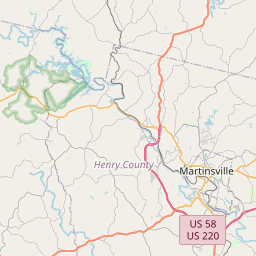
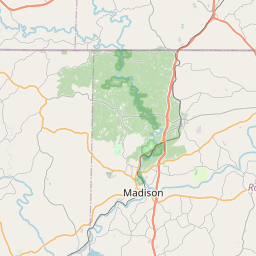
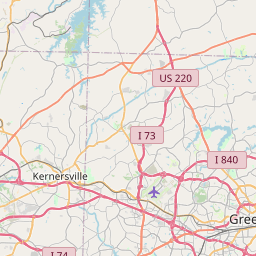
Service area
Reidsville, NC
About the crew
ASX Land Management serves Reidsville, NC with excavation, site preparation, and related earthwork services. Contact the crew directly to discuss the site, schedule, and project requirements.
Location: 711 Madison St, Reidsville, NC 27320
Counties served: Caswell County
Talk to the crew
Request a quote
Share the project basics with ASX Land Management. Your request goes directly to the contractor.
Fast Quote Form
Services
Demolition
Demolition
Demolition contractors take down houses, garages, commercial buildings and foundations, then sort and haul what is left. The teardown itself is the fast part; most of the schedule is the paperwork that has to happen first. Gas, electric and water are disconnected and capped at the main, an asbestos survey is completed by a licensed inspector and any friable material is abated before the excavator swings, and the demolition permit is posted. A residential house typically comes down in one to two days with a 30 to 40 ton excavator; hauling and backfilling the hole can take a few more. Selective demolition, such as removing a wing or gutting an interior for a remodel, is priced by labor hours because it is done with hand tools and small machines around what stays.
Driveways
Driveways
Driveway contractors build the surface between the road and the house, from a gravel farm lane to a poured concrete approach, and the base under the surface decides how long any of them last. A typical driveway is excavated to remove topsoil, graded with a crown or cross slope so water runs off, and built up with four to eight inches of compacted crushed stone before the top layer goes on. Where the driveway crosses a roadside ditch it needs a culvert sized by the county, and the connection to a public road is regulated by the road authority. Gravel is the least expensive and needs regrading every year or two; asphalt costs more and needs sealing; concrete costs the most up front and lasts longest if the base and joints are done right.
Excavation
Excavation
Excavation contractors dig and move earth for foundations, basements, utilities, pools and site cuts. Most residential jobs run on a mini or mid-size excavator paired with a skid steer and a dump truck; larger cuts bring in a dozer or scraper. The price depends less on the size of the hole than on what is in the ground: clay, ledge rock, high groundwater and buried utilities all slow the machine down and change the hauling math. Before the bucket touches dirt the site needs an 811 utility locate, and any trench deeper than five feet needs a protective system under OSHA rules.
Foundations
Foundations
Foundation contractors build the part of the structure that carries everything above it into the ground: spread footings below frost depth, stem walls or basement walls, monolithic and slab-on-grade foundations, and pier or grade beam systems where soils are poor. The work follows the stamped plans and the geotechnical report, and it is inspected at fixed points, usually the open footing trench with rebar in place before the pour, then again before the slab and before backfill. Frost depth sets the footing bottom, from about twelve inches in the Gulf states to four feet or more across the northern tier. Waterproofing or dampproofing, a footing drain and free-draining backfill are what keep a basement dry, and they are cheapest to do right while the wall is still exposed.
General-Excavation
General-Excavation
General excavation contractors handle the range of earthwork that does not fit neatly under one heading, and they are the right call when a property needs several of them at once: a driveway cut, a drainage fix, a pad for a shop, a trench for water to the barn and a pile of stumps hauled off. A typical outfit runs a mid-size excavator, a skid steer or compact track loader, and a dump truck or trailer, and prices by the hour with a minimum or by the job for anything with a defined scope. Because the work is varied, the estimate is only as good as the description of the site, and the most useful thing an owner can do is walk the contractor through everything on the list at once so the machine moves once and mobilization is paid once.
Land-Clearing
Land-Clearing
Land clearing removes trees, brush, stumps and roots so a parcel can be built on, farmed, fenced or simply seen. The method drives the price. A forestry mulcher grinds standing brush and small trees into chips in a single pass and leaves the ground surface intact; a dozer with a root rake pushes everything into piles for burning or hauling; an excavator with a thumb pulls stumps and stacks logs. Grubbing, which means pulling stumps and roots, is a separate step from clearing and is required anywhere a foundation, driveway or septic field will go. Selective clearing around trees you want to keep takes more hand work and more time than clearing a lot wall to wall.
Pond-Water-Management
Pond-Water-Management
Pond and water management contractors excavate and shape ponds, build or repair the embankment dams that hold them, and cut the ditches, swales and channels that move water across a property. A pond that holds water starts with the soil: it needs a clay core or a compacted clay liner, or a synthetic liner where the ground is sandy or rocky, and the dam is built in compacted lifts with a keyway cut into the original ground. Every pond also needs a way to pass the big storm, usually a principal spillway pipe plus an emergency spillway cut in natural ground, sized for the watershed above it. USDA NRCS publishes free design standards for farm ponds that most contractors follow. Cleanouts, which remove years of silt and reshape banks, are common on older ponds and are priced by the cubic yard removed and where that muck can be spread.
Trenching-Underground
Trenching-Underground
Trenching and underground utility contractors open the ground for pipe and conduit, bed and backfill it, and put the surface back. What looks like a straight line on a plan is governed by a few hard numbers: 811 locates before any digging, a minimum cover depth that varies by utility (commonly 18 to 24 inches for electric and gas service, and below the frost line for water), and OSHA's requirement that any trench five feet or deeper have a protective system such as a trench box, shoring or a sloped wall, with a competent person on site. Bedding material under the pipe, compaction of the backfill in lifts and tracer wire on non-metallic pipe are the details that separate a line that lasts fifty years from one that settles and cracks the driveway above it.
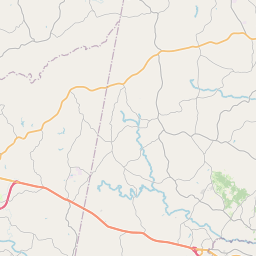
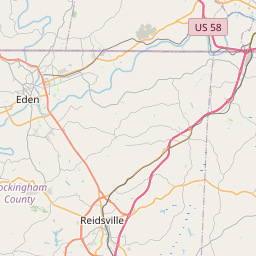
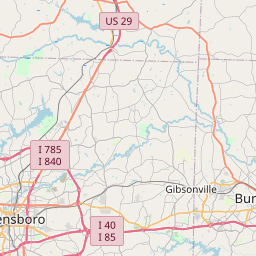
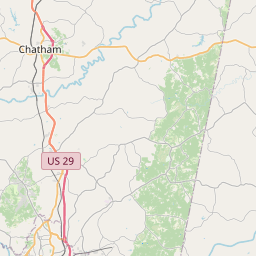
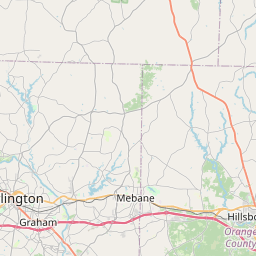
Service area

© OpenStreetMap contributors
Is this your business?
Verify the listing, correct details, and add your own project photos.
Similar businesses
Other excavation contractors near you on GradeLine worth comparing.

Rabco Grading & Hauling
Reidsville, NC
demolition, driveways, excavation
5.00View
Collins Trenching & Excavation
Reidsville, NC
excavation, general-excavation
4.70View

Main Stream Earthwork
Reidsville, NC
demolition, driveways, excavation
NewView
Jeremy Adams Hauling & Grading
Reidsville, NC
excavation, general-excavation
5.00View

Fisher Hauling And Grading
Reidsville, NC
demolition, driveways, excavation
5.00View
Nelson Moore Grading Inc
Eden, NC
excavation, general-excavation
5.00View
Don W Campbell Grading
Eden, NC
excavation, general-excavation
5.00View
New Rock Land Management
Eden, NC
demolition, driveways, erosion-control
4.30View