
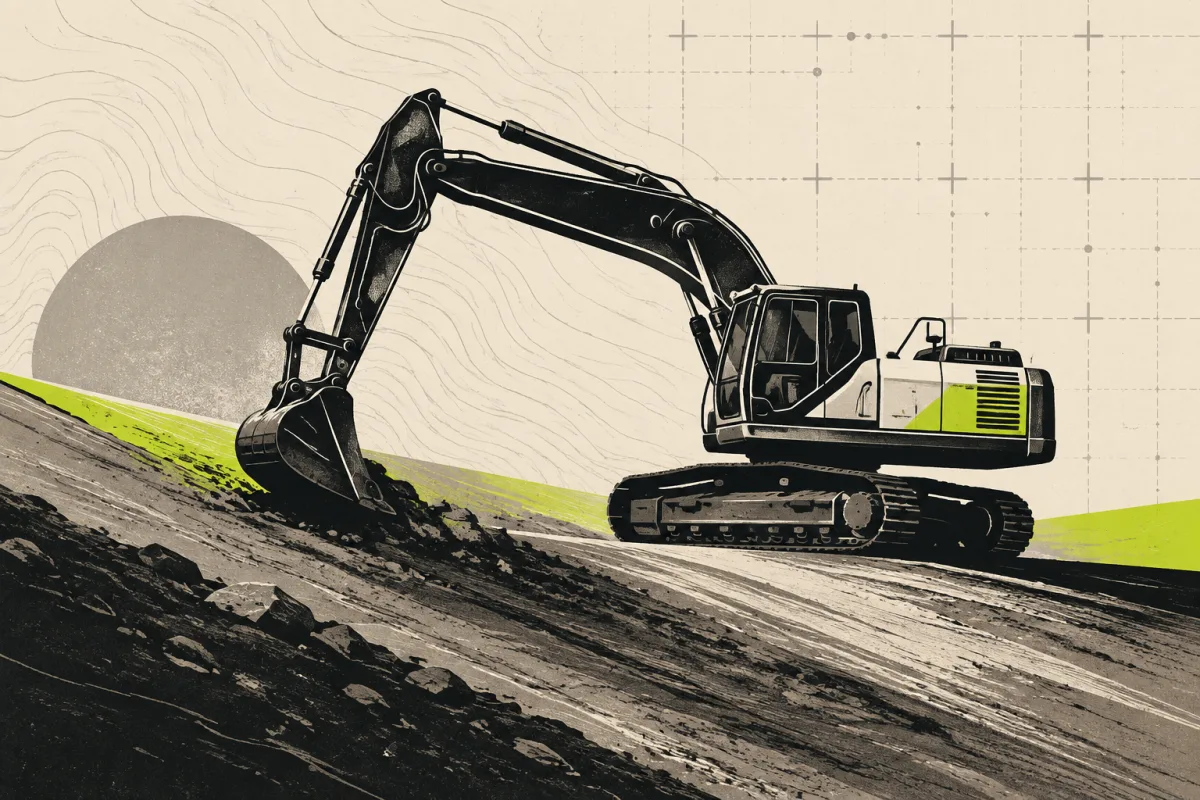

Action Excavating Service, Inc
About the crew
Action Excavating Service, Inc serves East Valley with excavation, site preparation, and related earthwork services. Contact the crew directly to discuss the site, schedule, and project requirements.
Credentials: 124006
Location: Chandler, AZ
Talk to the crew
Request a quote
Share the project basics with Action Excavating Service, Inc. Your request goes directly to the contractor.
Fast Quote Form
Services
Excavation
Excavation
Excavation contractors dig and move earth for foundations, basements, utilities, pools and site cuts. Most residential jobs run on a mini or mid-size excavator paired with a skid steer and a dump truck; larger cuts bring in a dozer or scraper. The price depends less on the size of the hole than on what is in the ground: clay, ledge rock, high groundwater and buried utilities all slow the machine down and change the hauling math. Before the bucket touches dirt the site needs an 811 utility locate, and any trench deeper than five feet needs a protective system under OSHA rules.
Demolition
Demolition
Demolition contractors take down houses, garages, commercial buildings and foundations, then sort and haul what is left. The teardown itself is the fast part; most of the schedule is the paperwork that has to happen first. Gas, electric and water are disconnected and capped at the main, an asbestos survey is completed by a licensed inspector and any friable material is abated before the excavator swings, and the demolition permit is posted. A residential house typically comes down in one to two days with a 30 to 40 ton excavator; hauling and backfilling the hole can take a few more. Selective demolition, such as removing a wing or gutting an interior for a remodel, is priced by labor hours because it is done with hand tools and small machines around what stays.
Trenching Underground
Trenching Underground
Trenching and underground utility contractors open the ground for pipe and conduit, bed and backfill it, and put the surface back. What looks like a straight line on a plan is governed by a few hard numbers: 811 locates before any digging, a minimum cover depth that varies by utility (commonly 18 to 24 inches for electric and gas service, and below the frost line for water), and OSHA's requirement that any trench five feet or deeper have a protective system such as a trench box, shoring or a sloped wall, with a competent person on site. Bedding material under the pipe, compaction of the backfill in lifts and tracer wire on non-metallic pipe are the details that separate a line that lasts fifty years from one that settles and cracks the driveway above it.
Grading
Grading
Grading is the shaping of ground to a designed elevation and slope. Rough grading moves the bulk of the earth to bring a site close to plan; finish grading dials in the last few inches so a pad is level and a yard sheds water. The number that matters is fall: building codes call for the ground to drop at least six inches in the first ten feet away from a foundation, and a lawn or gravel area needs roughly a two percent slope to drain. Crews do this with a dozer, a skid steer with a grading bar, or a motor grader on larger lots, checked against a laser or GPS grade stake rather than by eye.
Equipment capabilities
Service area
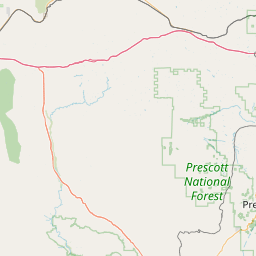
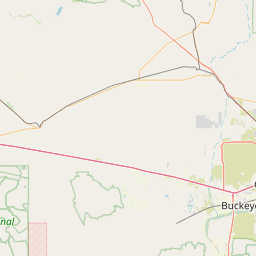
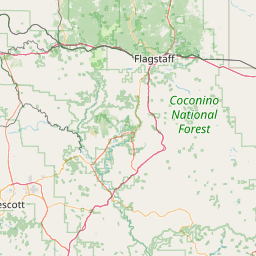
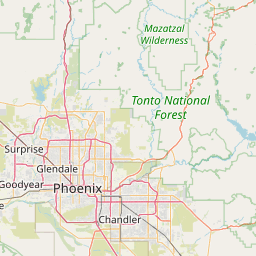
© OpenStreetMap contributors
Similar businesses
Other excavation contractors near you on GradeLine worth comparing.
DigRite - Excavation and Grading
Cave Creek, AZ
demolition, erosion control, excavation
5.00View
Avision Grading
Cordes Lakes, AZ
erosion control, excavation, grading
NewView

Hammer Tech Rock Breakers Inc.
Cordes Lakes, AZ
excavation
NewView
MB LANDSCAPE LLC
Cordes Lakes, AZ
excavation
5.00View
Wilbanks Excavating
Cordes Lakes, AZ
driveways, excavation, grading
5.00View
Watson Excavating LLC
Cordes Lakes, AZ
driveways, erosion control, excavation
5.00View
Earth Excavating LLC
Cordes Lakes, AZ
demolition, excavation, septic systems
4.30View
Cut Out Grading & Excavating
Cordes Lakes, AZ
excavation
5.00View